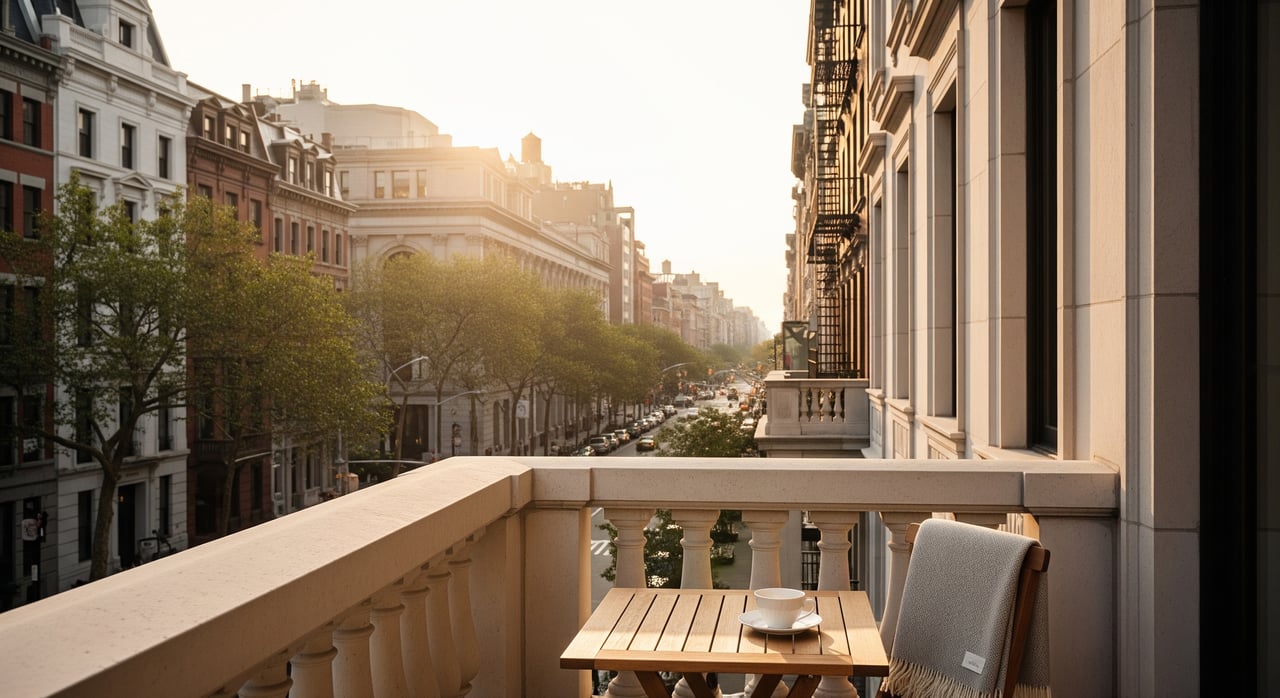
What if your front yard felt like a world-class museum plaza and Central Park rolled into one? If you are curious about life along Museum Mile on the Upper East Side, you are likely weighing lifestyle as much as square footage. You want clarity on daily routines, convenience, and what it truly feels like to call this stretch of Fifth Avenue home. In this guide, you will get a clear picture of everyday living, from culture and parks to commute, dining, and housing. Let’s dive in.
What Museum Mile means
Museum Mile runs along Fifth Avenue from roughly East 82nd Street to East 110th Street, right on the eastern edge of Central Park. To the west, you have immediate park access. To the east, residential avenues like Madison, Park, Lexington, and Third provide shops, services, and quieter side streets. Fifth Avenue itself has museum frontage, while most homes sit one or two avenues in from the park.
Culture on your doorstep
This corridor brings a rare concentration of museums within easy walking distance. Highlights include The Metropolitan Museum of Art, the Solomon R. Guggenheim Museum, Cooper Hewitt, the Jewish Museum, Neue Galerie, El Museo del Barrio, and the Museum of the City of New York. You can build art breaks into your week, from a quick gallery visit to an evening program.
Museums here offer more than exhibitions. Expect lectures, family days, school visits, and members’ hours that make regular cultural engagement part of your routine. Each June, the Museum Mile Festival typically closes Fifth Avenue for a block-party style celebration with free admission hours and performances. It is lively, festive, and a reminder that this is not just a destination, it is a neighborhood.
Central Park as your backyard
Living along Museum Mile puts you steps from paths for running and biking, lawns for relaxing, and playgrounds for kids. Many residents plan morning jogs, after-school playground time, and weekend picnics without a commute. Seasonal programming and informal gatherings near park entrances add variety throughout the year.
If you have a dog, the ease of early walks and green space access is a clear advantage. On fair-weather weekends, you will see more activity at popular entrances and lawns, but quieter pockets are never far.
Getting around with ease
This part of the Upper East Side is very walkable. Daily errands, cafés, and grocery runs often happen within a few blocks. For longer trips, the Lexington and Park Avenue corridors offer multiple subway lines and frequent bus service. Crosstown buses and bike-share stations create flexible options for short hops.
Fifth Avenue is a major traffic route, especially near museum blocks and during peak seasons. Side streets one or two avenues east tend to feel calmer. Street parking is limited, so many households rely on transit, car services, or building amenities like doorman and valet support.
Groceries, cafés, and daily errands
You will find a mix of neighborhood-scale groceries, specialty food shops, bakeries, and coffee spots, along with casual to higher-end dining on Madison and Third Avenues and nearby side streets. Essential services are close at hand, including pharmacies, dry cleaners, fitness studios, day-care centers, and medical and dental offices.
Seasonal farmers markets and pop-up vendors appear near park entrances and community hubs. Museums and local cultural centers occasionally host markets or craft fairs, which can turn a simple walk into an unexpected browse.
Dining and nightlife
Dining tends toward sit-down restaurants, bistros, and mid to high-end options. If you prefer long dinners over late-night bars, the neighborhood fits that rhythm. Compared with downtown, evenings are generally quieter.
Homes and architecture
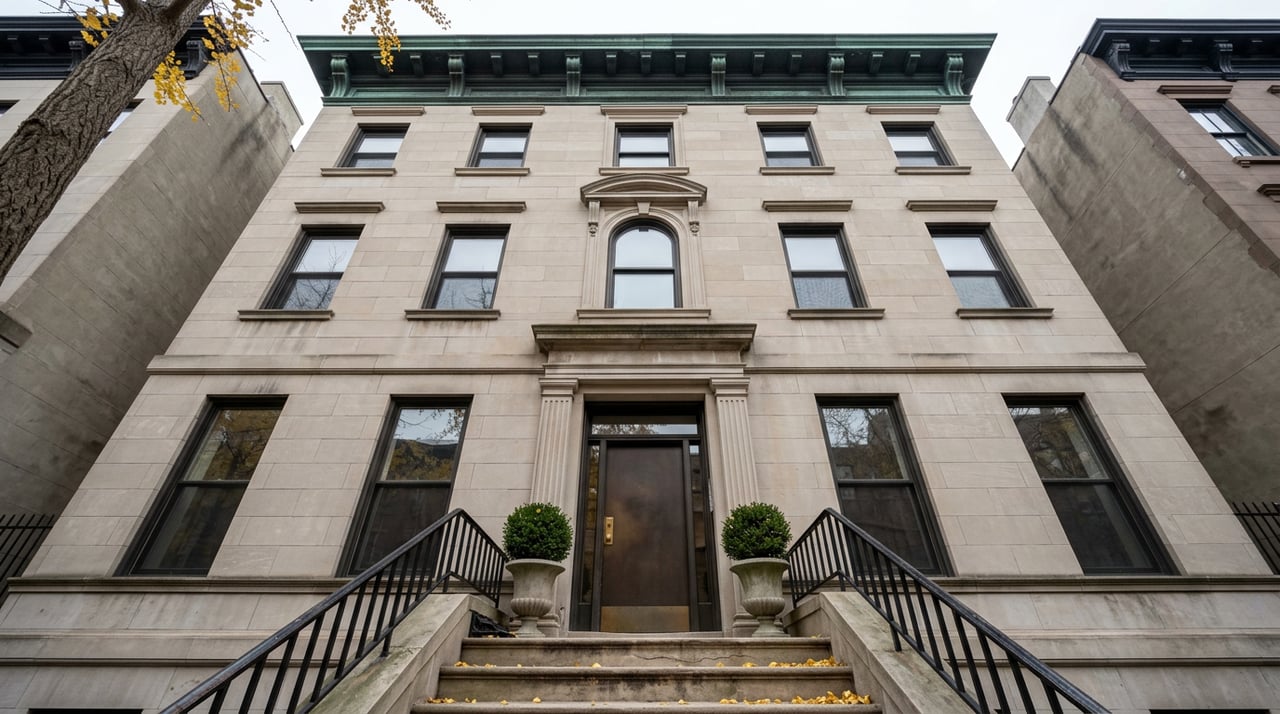
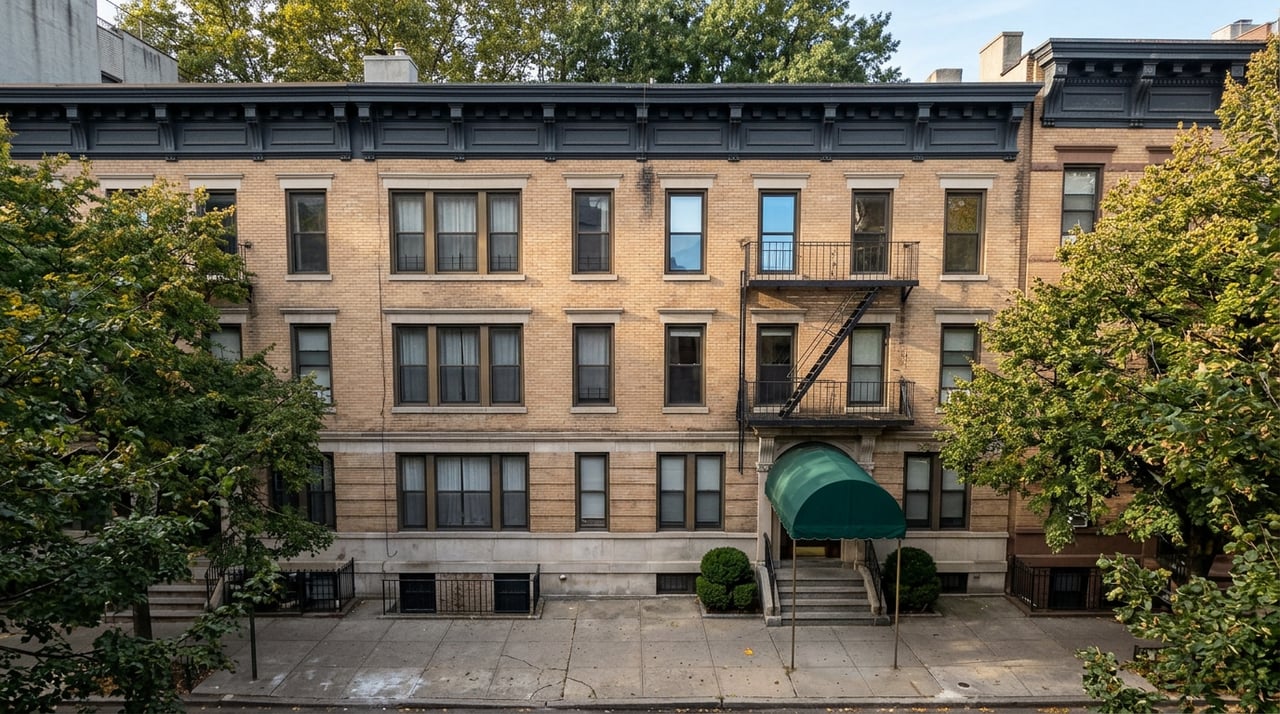
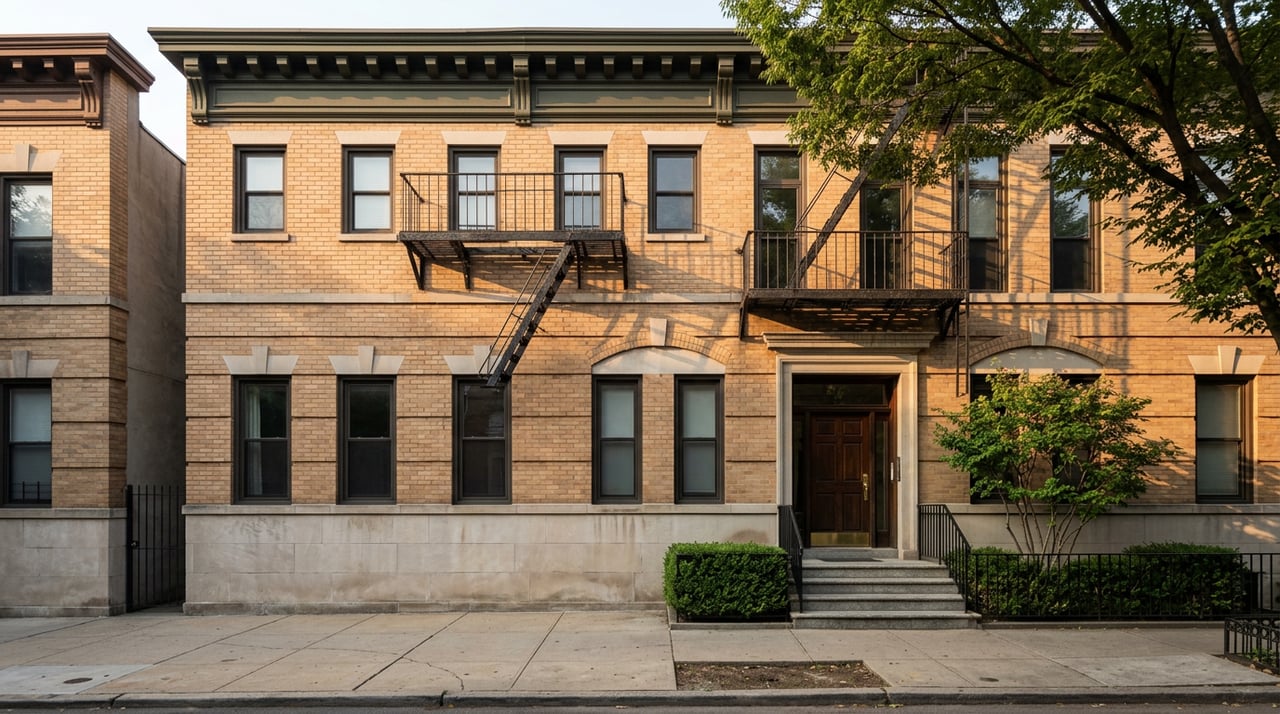
Housing near Museum Mile includes pre-war co-ops and luxury apartment houses close to the park, with townhouse rows on select side streets. Condominiums and newer developments appear more often as you move farther east from Fifth. Co-op ownership is common, which often involves board approval. Condos may offer more flexibility, though stock can be tighter in some enclaves.
The market here has a reputation for stability and long-term residents. Apartments can feature classic layouts, notable proportions, and services like doormen and live-in supers. Monthly maintenance or common charges vary by building and amenities, so it pays to review financials closely.
Lifestyle trade-offs to weigh
- Pros: Immediate access to world-class culture, Central Park at your doorstep, strong neighborhood services, and quieter evening streets.
- Cons: Tourist foot traffic near museum entrances in peak seasons, higher housing and living costs, and limited parking.
Practical tips for buyers and renters
- Map your commute. Check exact walking distances to the subway or bus lines you rely on. Transit is often more predictable than driving during peak hours.
- Understand ownership rules. Co-op boards can require detailed applications, interviews, and specific financing ratios. Timeline planning is essential.
- Budget for carrying costs. Pre-war co-ops often pair larger spaces and services with higher maintenance. Condos have common charges and potentially different assessments.
- Plan your move. Many buildings have strict moving schedules and elevator policies. Coordinate insurance and timing, and avoid major events like the Museum Mile Festival and peak tourist weekends when possible.
- Consider bike-share and storage. Citi Bike stations and bike lanes make short trips easy. If you cycle regularly, confirm building storage options.
Selling along Museum Mile
When selling here, you are not just marketing square footage, you are marketing a lifestyle. Highlight a simple daily routine that buyers can see themselves living. Consider these focus points:
- Park proximity. Emphasize quick access to paths, lawns, and playgrounds. Morning or golden-hour photos can help communicate light and setting.
- Cultural access. Frame membership benefits and easy museum visits as part of the weekly rhythm.
- Natural light and views. South and west exposures can showcase daylight and park adjacency. Stage rooms to draw the eye to windows and tree lines.
- Walkability and services. Share a curated list of nearby groceries, cafés, pharmacies, and dry cleaners to make daily life feel effortless.
Who finds it a fit
You will see a mix of households here, including families who value park access, professionals who want a central and calm base, and long-time residents who appreciate stable buildings and neighborhood continuity. International buyers also look to the area for its cultural standing and access to services.
Season by season
Summer brings more visitors to the museums and Central Park, which adds energy and can increase daytime foot traffic. Festival days and peak weekends are busier. Winter is generally quieter, and residential side streets often feel low-key year-round. Fifth Avenue itself remains active, while one or two avenues east can feel distinctly residential.
Is Museum Mile right for you?
If your ideal day includes a park run, a neighborhood coffee, and a quick stop at a gallery before dinner, Museum Mile may suit you. It offers a rare blend of cultural depth and calm routines, with practical conveniences and strong residential character close by. If you are exploring a purchase or thinking about selling, tailored guidance can help you weigh building types, ownership structures, pricing, and timing with confidence.
Ready to talk specifics and map your next step on the Upper East Side? Connect with the team at Ann Ferguson LLC to get a clear, data-informed plan for your goals. Schedule a Complimentary Market Evaluation and move forward with confidence.
FAQs
What is Museum Mile on the Upper East Side?
- It is a stretch of Fifth Avenue from roughly East 82nd to East 110th Street that fronts Central Park and includes a high concentration of major museums.
How does the commute work from Museum Mile?
- The area is very walkable, with multiple subway lines along the Lexington and Park Avenue corridors, frequent buses, crosstown routes, and bike-share for short trips.
What types of homes are common near Museum Mile?
- You will find many pre-war co-ops near the park, townhouse rows on select side streets, and a growing number of condos and newer developments farther east.
Are there downsides to living near the museums?
- Expect more pedestrian traffic near museum entrances and park gates during peak seasons and events, plus limited street parking and busier Fifth Avenue.
What is the neighborhood vibe at night?
- Evenings are generally quieter than downtown, with more sit-down dining options and fewer late-night bars.
Any tips for moving into a building on or near Fifth Avenue?
- Confirm building moving rules and elevator reservations, arrange insurance in advance, and avoid major events like the Museum Mile Festival when scheduling your move.