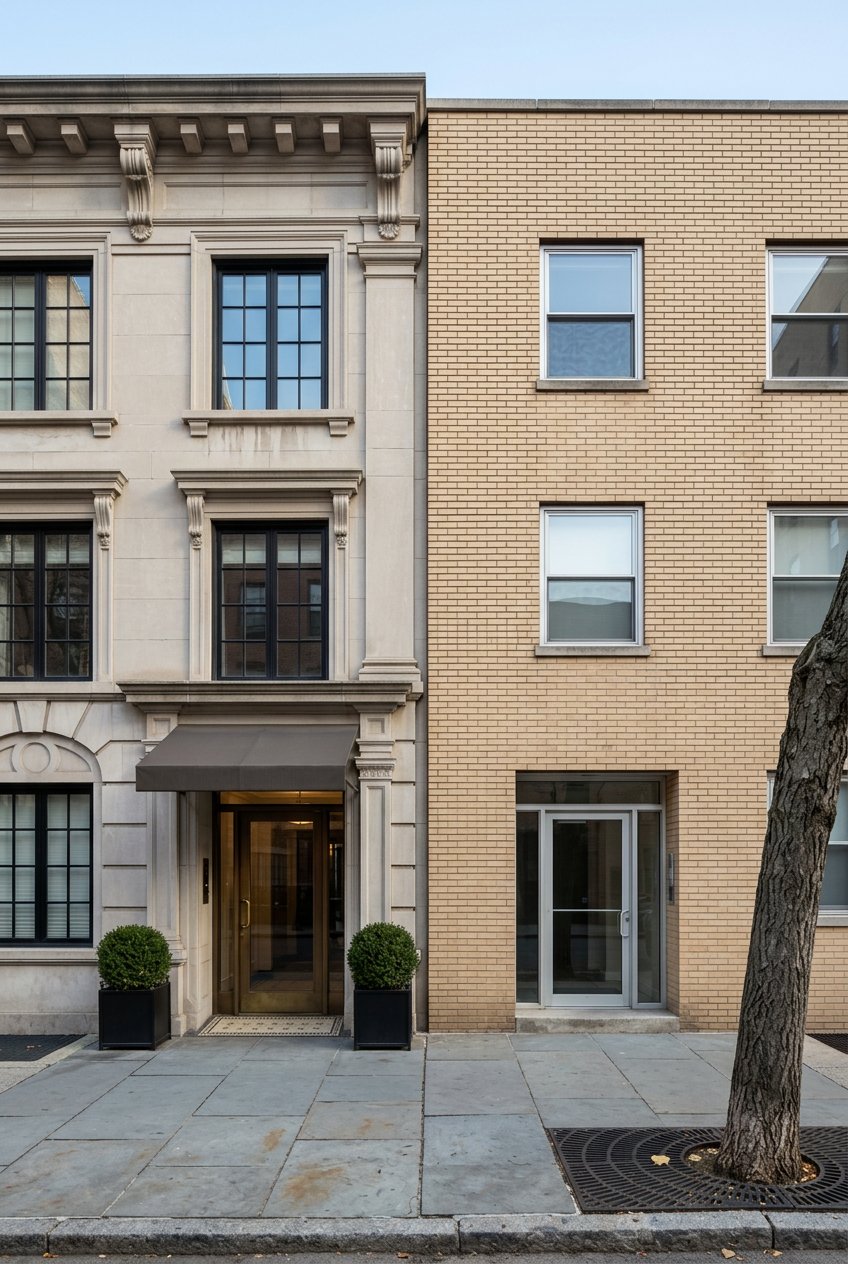
You come to the Upper West Side for its rhythm: leafy blocks, Central Park and Riverside, and homes that feel distinctly New York. The question is which version of New York fits you best. Do you want carved plaster and tall windows or clean lines and open rooms? In this guide, you’ll learn how prewar and postwar buildings differ on the UWS, how those differences show up in daily life and monthly costs, and what to verify before you bid. Let’s dive in.
Prewar vs postwar on the UWS
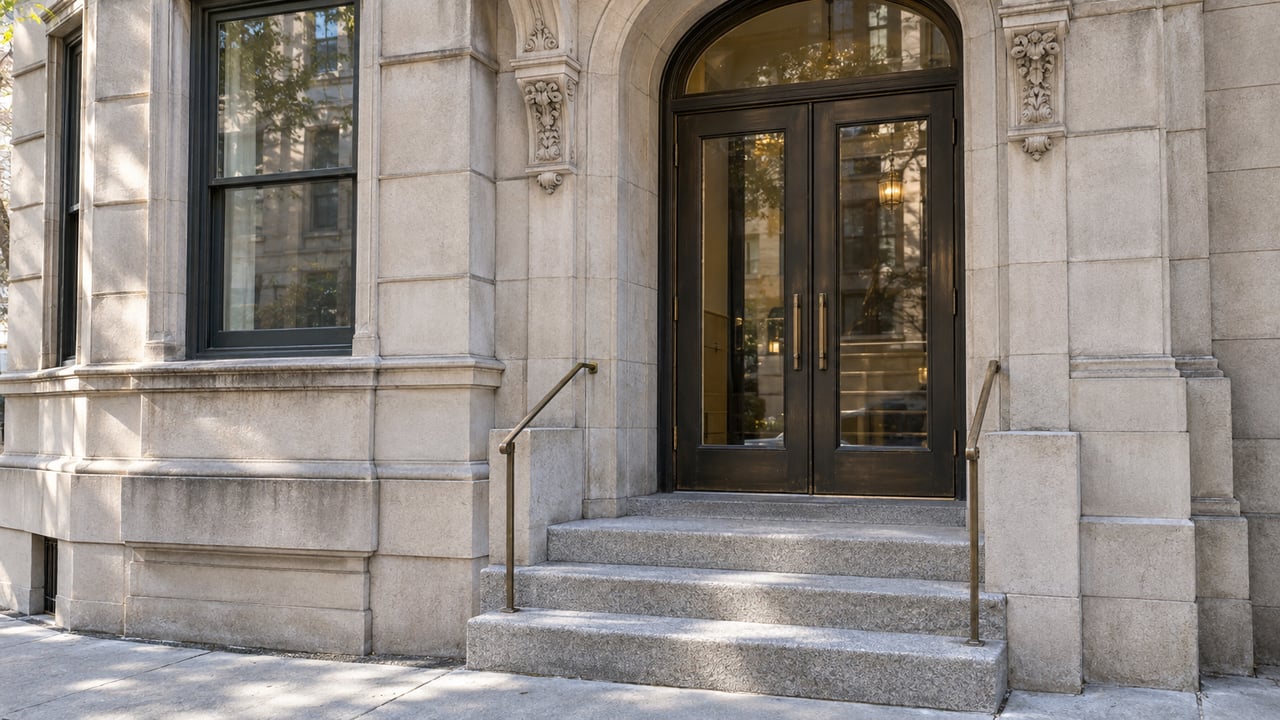
Prewar on the Upper West Side generally means buildings completed before World War II, often before 1940. You’ll find brownstone rowhouses, French‑flat walk‑ups, and the grand masonry apartment houses that line Central Park West and Riverside Drive. Many of these addresses sit in historic districts where exteriors are regulated, such as the Central Park West Historic District. You can explore the district’s boundaries and context through the local preservation group Landmark West’s overview of the area’s historic status and architecture (Upper West Side-Central Park West Historic District).
Postwar on the UWS refers to buildings constructed after World War II. That includes mid‑century elevator buildings, slab towers, and later condo infill. Materials and planning differ from prewar stock. You’ll see more concrete or steel framing, more efficient footprints, and a wider range of building styles across the inner avenues and side streets.
How daily life differs
Architecture, structure and ceilings
Prewar buildings on the UWS were typically built with load‑bearing masonry and timber or hybrid framing. Postwar buildings more often use concrete slabs or steel frames. That difference affects ceiling height and what is feasible during a renovation. As a rule of thumb, prewar apartments often offer 9‑ to 12‑foot ceilings, while many mid‑century postwar buildings hover around 8 to 9 feet, according to common New York apartment size guidance (NYC apartment size guide). The feel is real: taller rooms read brighter and more gracious; lower ceilings can feel efficient and easier to heat and cool.
Layouts and storage
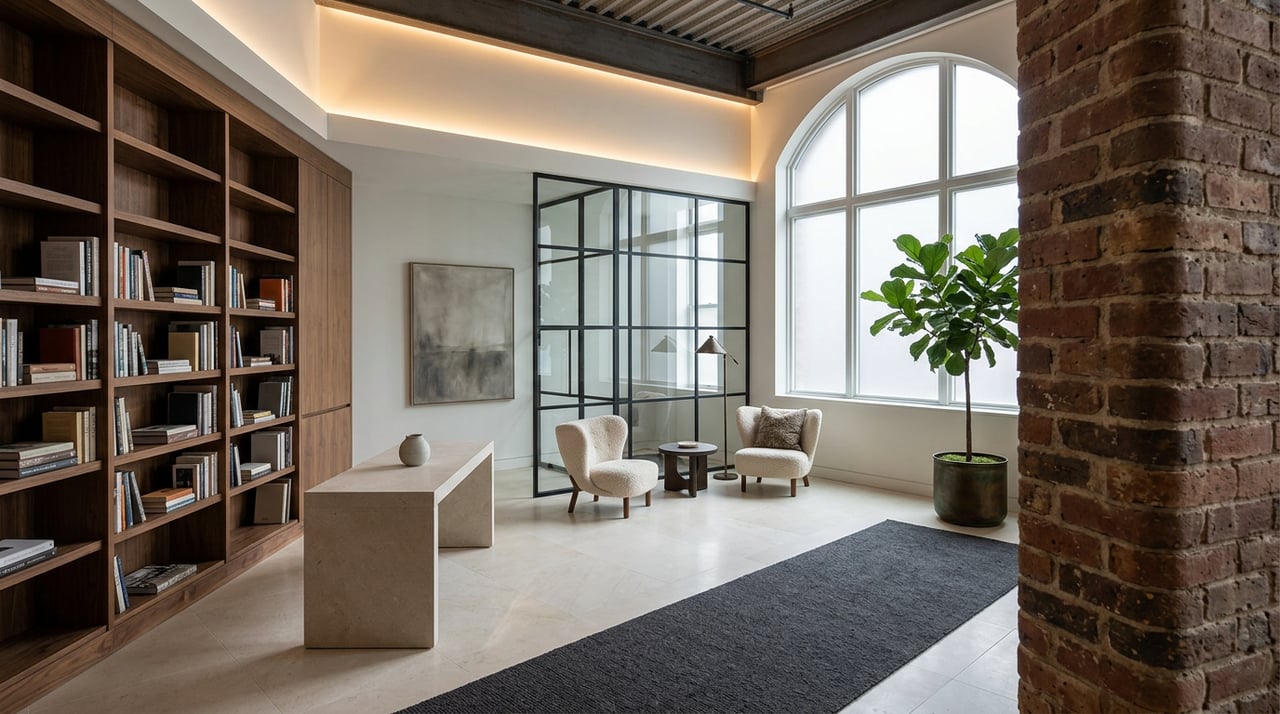
Prewar floor plans tend to be more formal and compartmentalized. You’ll often enter into a foyer that leads to a living room and a separate, windowed kitchen, sometimes with a formal dining room. The classic UWS “Classic Six” plan pairs these formal rooms with a separate space that many use as an office or den. Postwar plans lean more open and efficient. You’ll see combined living-dining rooms, kitchens that open to the living space, and more closets designed into the original layout. If you prefer distinct rooms you can close off, prewar may fit. If you want an open hub for cooking and gathering, postwar often wins.
Windows and daylight
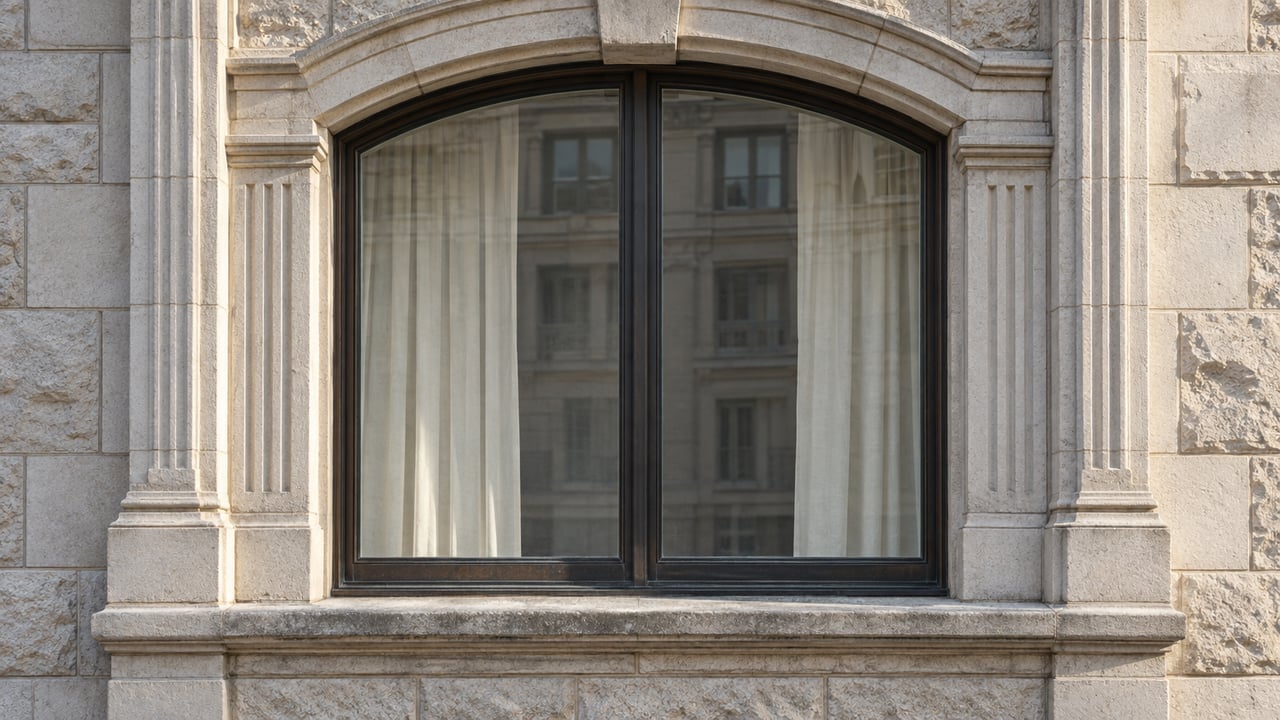
Prewar facades usually feature taller, vertically proportioned windows with deeper sills, which can make rooms feel airier. Postwar buildings sometimes trade height for wider picture windows. Light depends more on exposure and surroundings than on era, but the window proportions are part of the experience. On a narrow side street, a taller prewar opening can feel generous. On a higher floor with a wide view, a postwar picture window can frame the skyline.
Sound and floors
Acoustics depend on the floor and wall assemblies. Older wood‑joist floors in some prewar walk‑ups can transmit footsteps and creaks. Heavy masonry party walls often help with side‑to‑side sound. Concrete slab construction, common in postwar buildings, can improve floor‑to‑floor isolation. If you are sound‑sensitive, visit units at different times of day, ask about floor construction, and check if any sound‑attenuation upgrades were completed between floors.
Heat, A/C and mechanicals
Many prewar co‑ops heat with central steam or hot‑water radiators. Heat is often master‑metered and included in monthly maintenance. That can be comfortable and cost‑predictable, but system balance varies by building and floor. In postwar or newer buildings, you might find through‑wall units, packaged systems, or central HVAC. Adding central air or laundry can be more complex in older structures, so verify what is permitted and what has been upgraded in your target building.
NYC heat rules that affect comfort and costs
New York City enforces minimum heat standards each year from October 1 through May 31. During the day, if the outside temperature is below 55°F, apartments must be at least 68°F. Overnight, the minimum is 62°F. Hot water must be at least 120°F year‑round. These rules are enforced by HPD and matter because co‑ops often include heat and hot water in maintenance. You can review the city’s standards and complaint process on the HPD site (Tenant rights and heat/hot water).
Ownership and monthly costs
Co‑op vs condo basics
In a co‑op, you buy shares in a corporation and receive a proprietary lease. In a condo, you buy real property and receive a deed to your unit. Co‑op boards can approve or reject a purchaser and often set rules on subletting and renovations. Condo boards have a limited right of first refusal. The New York State Attorney General provides a clear overview of how co‑ops and condos work, including what to look for in offering plans and financials (Before You Buy a Co‑Op or Condo).
What maintenance and common charges include
Co‑op maintenance often appears higher because it usually bundles the building’s real estate taxes, master insurance, staff, and sometimes heat and hot water. Condo common charges cover shared expenses and reserves, while each owner pays property taxes separately. To compare two listings fairly, back out property taxes and any master‑metered utilities so you are comparing net operating costs. A practical explainer on this comparison highlights how to separate the numbers so you do not overpay based on a misleading headline figure (Maintenance vs. common charges in Manhattan).
Amenities, staffing and fees
Staffing and amenities drive monthly costs in both eras. A doorman or concierge, live‑in resident manager, on‑site porters or handymen, and amenities like a gym, pool, storage or parking all add to the operating budget. A grand prewar co‑op with a full staff can carry similar monthlies to a newer condo with hotel‑level amenities. Always match your needs to the services you will use, then check how those services appear in the operating budget and reserves.
Capital projects that move fees
Two city rules can materially affect UWS buildings, especially grand prewar towers:
- Facade safety (Local Law 11/FISP). Buildings taller than six stories must inspect their facades every five years and address issues. Findings can trigger multi‑year repair programs, sidewalk sheds, and assessments. Ask a building for its current FISP filing status and any planned scope and budget (NYC facade safety program overview).
- Emissions caps (Local Law 97). Most buildings 25,000 square feet or larger must meet emissions limits or face penalties. Boards are mapping retrofit paths that may include boilers, windows, or electrification. Request the building’s LL97 filings, audits, and compliance plan (Local Law 97 guidance and help).
Insurance and labor costs also influence carrying charges. Ask for recent insurance renewals and whether the operating budget assumes any prevailing‑wage staffing or abatement requirements.
Financing, approvals and timing
Co‑ops often require larger down payments, more post‑closing liquidity, and a deeper financial review. The board approval process adds time and some uncertainty to deals. Condos typically allow lower down payments, and investors or pied‑a‑terre buyers often prefer them for flexibility. A practical overview of these differences can help you set expectations on timing, financing, and rules (Co‑ops vs. condos in NYC).
Closing costs and flip taxes
Many co‑ops charge a flip tax when you sell, which can be a percentage of price, a dollar amount per share, or a sliding scale. Condos typically have higher buyer closing costs, including title insurance and the mortgage recording tax. Understanding how a building’s flip tax or closing costs affect your net is key before you bid or list (NYC flip tax explained).
Which era fits your priorities
- Choose prewar if you want high ceilings, period details, and formal rooms that separate entertaining, quiet work, and sleep. You are comfortable with a co‑op approval process and with maintenance that may bundle taxes and heat.
- Choose postwar if you value open layouts, built‑in storage, and simpler mechanical upgrades like central air. You prefer flexible financing, clearer sublet rules, and generally faster board processes.
- Consider hybrids. Many UWS prewar buildings have modernized systems or were converted to condos. You can sometimes pair prewar character with contemporary convenience. Verify the scope and quality of any recent upgrades.
What to verify before you bid
Use this checklist to protect your time and money:
- Building era and structure. Confirm the year built and whether it is masonry/timber or concrete/steel. Historic district listings can help you understand exterior constraints and protections (Central Park West Historic District).
- Offering plan and rules. Read the offering plan or declaration to see what monthly charges include and what is permitted. The Attorney General’s guide is the official place to start (Co‑op or condo buyer guidance).
- Financials and reserves. Request the last three years of audited financials, the current budget, and any reserve study. Look for a pattern of assessments or underfunded reserves.
- FISP status. Ask for the most recent facade report, the building’s classification, and whether repairs are planned. Confirm how they will be funded (Local Law 11 basics).
- Local Law 97 plan. If the building is large enough to be covered, request its energy audit, filing status, and compliance plan or budget (LL97 overview and resources).
- HPD/DOB/311 history. Search for open violations, heat or hot‑water complaints, and enforcement actions. A simple how‑to can point you to BIS/DOB NOW, HPD Online, and the 311 portal (NYC violation search guide).
- Heat and hot water proof. Ask for 12‑month heat logs, boiler service history, and test radiators during winter viewings. Review HPD heat standards (HPD heat/hot water).
- Amenities and operations. Confirm which amenities are building‑owned, what they cost, and whether there are waitlists. Get rules on renovations, pets, and subletting in writing.
- Insurance and bids. Request recent insurance renewals and contractor bids for any planned work to gauge exposure and timing.
Where prewar and postwar cluster on the UWS
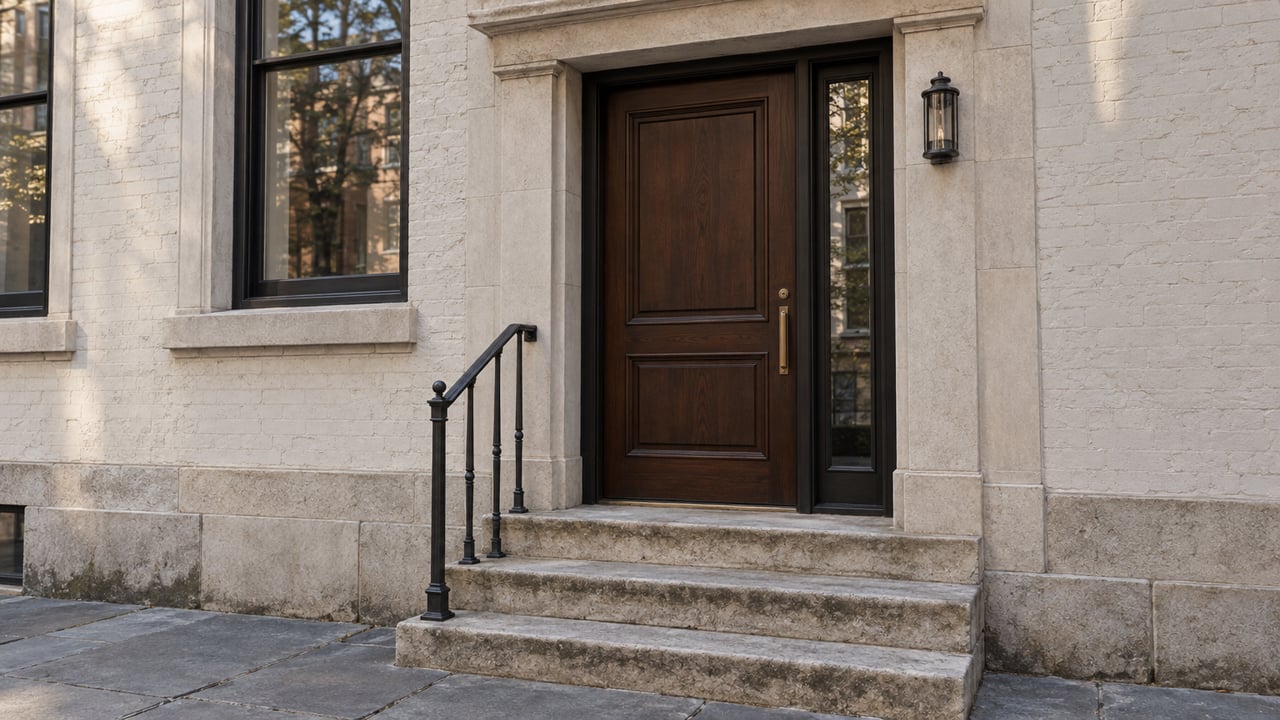
If you want a visual of prewar scale and craftsmanship, walk Central Park West and Riverside Drive. You will see grand, landmarked towers with set‑back entries and articulated stone or brick facades. Many side streets feature continuous rows of brownstones and townhouses. Postwar stock is more common along the inner avenues and infill blocks between Broadway, Amsterdam, and Columbus. These buildings often trade ornament for efficiency and offer more square feet for the money compared with the marquee park‑side addresses.
The bottom line
On the Upper West Side, era shapes experience. Prewar gives you height, detail, and classic room sequences. Postwar prioritizes light, efficiency, and mechanical ease. Monthly costs come down to the building’s finances, staffing, and capital needs more than the era itself. If you match your lifestyle to the right plan and verify the building’s financial and regulatory picture, you will land in a home that feels right and performs for your budget.
Ready to compare specific buildings or prepare a bid strategy? Tap into senior, hands‑on guidance. Connect with Ann Ferguson LLC to schedule a complimentary evaluation and next steps.
FAQs
What makes a prewar apartment feel different on the UWS?
- Taller ceilings, thicker walls, and formal room sequences are common, which can feel quieter and more gracious compared with the open, efficient layouts typical of postwar buildings.
How do NYC heat rules impact my co‑op costs?
- Many co‑ops include heat and hot water in maintenance, and NYC requires heat from Oct 1 to May 31 with minimum indoor temperatures, so verify heat logs and system condition before you buy.
Are postwar buildings quieter than prewar on average?
- Often yes from floor‑to‑floor because many postwar buildings use concrete slab construction, but actual sound depends on assemblies, finishes, and neighbors, so test during visits.
What should I ask about Local Law 11 in a prewar tower?
- Request the latest facade report, classification, planned scope, timelines, and whether repairs are budgeted via reserves, monthly increases, or a special assessment.
How do co‑op and condo approvals differ for UWS buyers?
- Co‑ops require board approval with stricter financial review and higher typical down payments, while condos have a limited right of first refusal and often allow more flexible financing.