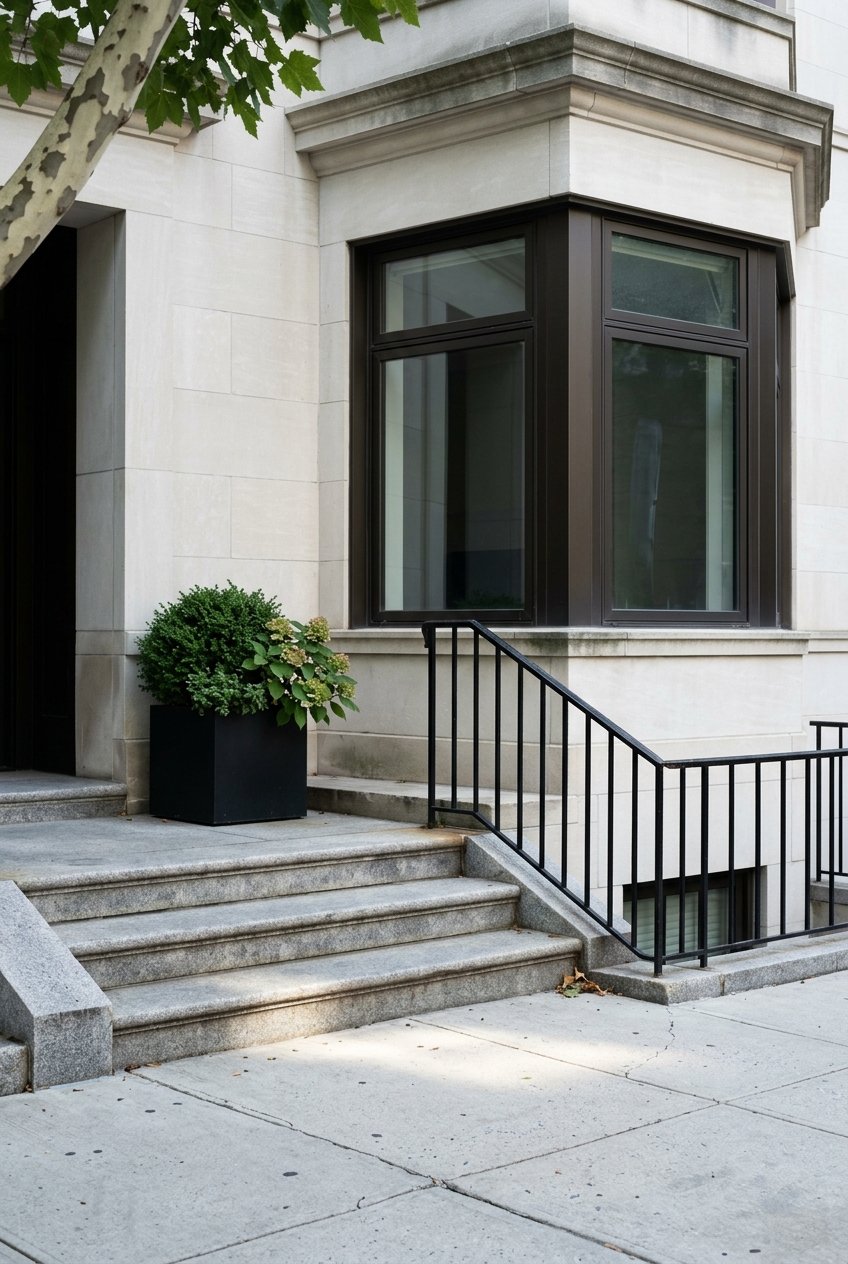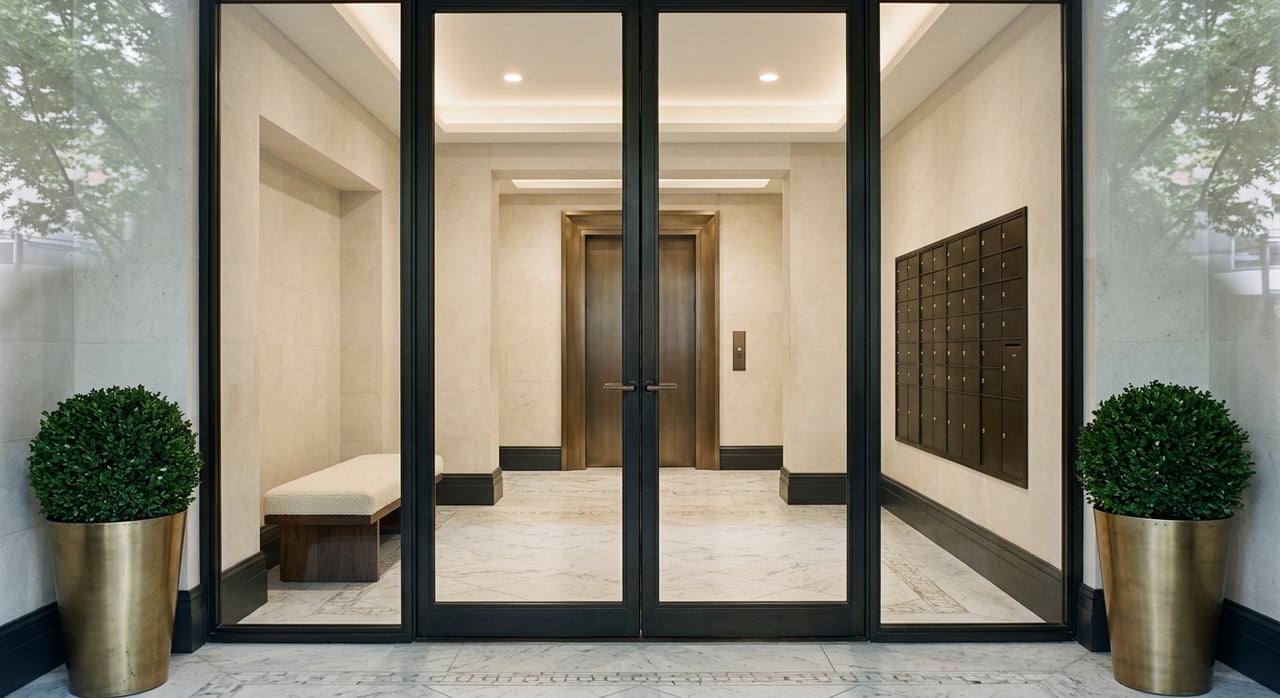
Buying on the Upper East Side means more than loving a prewar lobby or a leafy block. If you are looking at a co-op, the board will review your full financial picture and your paperwork before you can close. That can feel opaque, especially if you have only dealt with bank underwriting before. In this guide, you will learn what UES co-op boards look for, how to build a clean board package, what the new NYC timelines mean, and how buyers and sellers can move faster. Let’s dive in.
What UES co-op boards prioritize
Financial strength leads
Co-op boards focus on the basics: income stability, debt, cash on hand, and how you plan to use the apartment. Industry guidance shows boards often look for a debt-to-income ratio near 25 to 30 percent, which is usually tighter than your lender’s cap. They also want to see post-closing liquidity equal to about 12 to 24 months of carrying costs and may expect down payments of 20 to 30 percent or more, with some buildings preferring all-cash. You can see these norms in practical buyer guides that outline down payment ranges and reserve expectations for NYC co-ops (Skybriz’s co-op buying guide) and DTI definitions used in industry practice (DeFalco’s overview).
Why prewar buildings can be stricter
Many classic prewar co-ops on the Upper East Side maintain conservative standards. Trade reporting notes these buildings often favor larger down payments and stronger liquidity, and they value complete, prompt packages. An organized submission helps avoid delays and reduces rejection risk in these long-established communities (CooperatorNews on board priorities).
Building finances shape risk
Boards consider the building’s own financial health when reviewing buyers. If a co-op has a large underlying mortgage, thin reserves, or rising expenses, the board may apply stricter standards to new shareholders. Recent commentary suggests boards have become more conservative in 2025 and 2026 due to higher rates and volatile insurance costs (law-firm analysis of tighter standards).
How board reviews differ from lenders
The DTI example
A lender might approve a higher DTI than a co-op board. Boards usually count your mortgage, monthly maintenance, and other debts against your gross income. For example, if your mortgage plus maintenance and other debts total $5,000 per month and your gross monthly income is $15,000, your DTI is 33 percent, which is likely above many co-ops’ comfort level that trends closer to 25 to 30 percent (DTI calculation basics).
The reserve example
Post-closing liquidity means money left after you close. If your carrying costs are $4,500 per month, a 12 to 24 month reserve guideline suggests $54,000 to $108,000 in liquid assets that remain after you wire your down payment and closing costs. High-end buildings can ask for more, so plan early and document carefully (reserve expectations explained).
Build a complete board package
Core documents to include
Most UES co-ops ask for a standard set of documents. Start gathering these as soon as you go to contract:
- Completed building application and any questionnaires.
- REBNY Financial Statement, which summarizes income, assets, and liabilities (download the REBNY form).
- Federal tax returns for 1 to 3 years, often 2 years, with W-2s, 1099s, and K-1s if relevant.
- Bank and brokerage statements for 2 to 6 months that show down payment funds and reserves.
- Recent pay stubs and an employer letter.
- Mortgage pre-approval or commitment, plus any required Aztech recognition agreement.
- 2 to 4 reference letters, and landlord references if you rent.
- Photo IDs, executed contract of sale, deposit information, and any gift letters or guarantor documents.
- If buying in a trust or LLC, expect to provide governing documents, IDs for beneficiaries or managers, and possible personal guarantees.
A compact industry checklist outlines these items and helps you track them efficiently (PropertyShark’s co-op board package checklist).
Organize for speed
Presentation matters. Use a brief cover letter that states you intend to be an owner-occupant, summarizes your employment, highlights your liquidity, and notes your long-term plans. Include a clear table of contents and label every exhibit so the managing agent can review once without chasing extra documents. Many boards and managers prefer one complete submission rather than a piecemeal trickle of files (checklist guidance on organization).
References and the interview
Boards often interview buyers to confirm facts and understand how you plan to use the home. Be ready to discuss your work, your intended use as a primary residence or pied-à-terre, your renovation plans, and your willingness to follow building rules. Keep answers clear and concise, and avoid sharing personal information unrelated to the residency and financial review. Trade reports outline common interview topics and how to prepare your references and employer letters (CooperatorNews on board packages and interviews).
Rules and timelines you should know
Anti-discrimination basics
Co-op boards have broad authority to approve or reject buyers, but they must follow federal, state, and city anti-discrimination laws. Admissions decisions must be based on legitimate, non-discriminatory reasons, such as financial qualifications or stated building policies. Consistent procedures and careful documentation are considered best practice in New York City co-ops (CNYC’s admissions guide).
NYC decision timelines
New local legislation requires clearer timing. Boards must acknowledge receipt of an application within 15 days. After an application is deemed complete, the board must issue a decision, a conditional approval, or a denial within 45 days, with limited extensions and tolling rules. These rules create more predictability for buyers and sellers on the Upper East Side and across the city (NYC Council legislation text).
Background checks in 2025
Under the Fair Chance for Housing Act, effective January 1, 2025, there are new limits on how boards may treat criminal history. Application forms and interviews must avoid asking about criminal history, and if a board wishes to run a background check, it must follow a detailed, provisional process. Buyers should expect updated procedures that reflect these protections (overview of background-check changes).
Typical Upper East Side timeline
After you sign a contract, plan 1 to 3 weeks to assemble a full, clean package. Historically, board and managing agent review could take 2 to 6 weeks, depending on volume and the building’s practices. Under the new law, you should receive a receipt acknowledgment within 15 days and a decision within 45 days of a complete application, subject to specific extensions (City timeline rules; package timing guidance).
Buyer playbook: get board-ready
Use this quick action list to position your offer for success:
- Complete your REBNY Financial Statement before you bid (get the form here).
- Line up 2 years of federal tax returns, with W-2s, 1099s, and K-1s if you have them.
- Gather 2 to 6 months of bank and brokerage statements to prove down payment and reserves.
- Request recent pay stubs and an employer letter.
- Secure a strong mortgage pre-approval or commitment and confirm any required recognition agreement.
- Collect 2 to 4 reference letters. If you rent, include a landlord reference.
- If using a gift, a trust, or an LLC, collect all supporting documents early and be ready for extra conditions.
Your building may differ. Always check the application package or ask the managing agent about building-specific standards.
Seller playbook: pick board-friendly offers
As a seller, the highest price is not always the safest path to closing. Favor buyers who provide a completed REBNY Financial Statement and clear proof of funds with their offer, plus a pre-approval or commitment if financing (REBNY’s standard form). Stronger offers often include a larger down payment and fewer contingencies, or all-cash terms when possible (guidance on down payment ranges and norms). If an offer comes from a buyer with thinner reserves or complex structures, you can balance risk by tightening timelines and clarifying the board-approval contingency with your attorney (contract checklist context).
Common rejection triggers to avoid
- Financial gaps. High DTI, insufficient post-closing liquidity, or unstable income can sink an application. Clear, consistent documentation is key (interview and review pitfalls).
- Paperwork mismatches. If numbers on your REBNY form do not match your tax returns or statements, expect delays or denials. Submit a precise, single package rather than piecemeal uploads (board package checklist).
- Use concerns. Declared plans to sublet immediately or to buy through an opaque entity without guarantees can cause issues. Confirm the building’s policies and be ready to provide clarity in writing (interview focus areas).
- Procedural missteps. Boards follow anti-discrimination laws and updated background-check procedures, so stay within the requested scope and avoid sharing protected personal information (CNYC admissions guidance).
Buying or selling on the Upper East Side benefits from experienced guidance, steady communication with the managing agent, and a spotless package. If you want a senior, hands-on team to help you prepare a board-ready file, structure a board-friendly offer, and manage timelines with precision, connect with Ann Ferguson LLC. We are ready to help you move with confidence.
FAQs
What DTI do Upper East Side co-ops prefer?
- Many boards look for a total DTI near 25 to 30 percent, which is often stricter than a lender’s cap.
How much cash should I keep after closing on a UES co-op?
- A common guideline is 12 to 24 months of mortgage plus maintenance in liquid reserves, with some buildings asking for more.
What documents go into a typical NYC co-op board package?
- Expect the building application, REBNY Financial Statement, tax returns, bank and brokerage statements, pay stubs and employer letter, references, ID, contract, and lending documents if financing.
How long does Upper East Side co-op board approval take?
- Plan 1 to 3 weeks to assemble a package and 2 to 6 weeks for review, with new city rules requiring a 15-day receipt acknowledgment and a 45-day decision after a complete submission.
Can a UES co-op board ask about criminal history in 2025?
- Under the Fair Chance for Housing Act, boards cannot ask about criminal history on applications or in interviews and must follow strict procedures if they run a background check.
As a seller, how do I reduce the risk of a board rejection?
- Prioritize buyers who provide a complete REBNY statement, proof of funds, strong down payment, and who can deliver a clean, organized package quickly.