If you are deciding between a full-service building and a boutique building on the Upper West Side, you are really deciding how you want to live day to day. Some buyers and renters want a doorman, package support, and a long list of amenities. Others care more about privacy, character, and a quieter building feel. This guide will help you compare both options in a practical way, so you can focus your search with more confidence. Let’s dive in.
Why the Upper West Side offers both
The Upper West Side is not a one-note housing market. According to StreetEasy’s Upper West Side neighborhood data, the area is dominated by large prewar apartment buildings, with higher-priced homes around Central Park and Riverside Drive and better value often found in smaller, older co-ops.
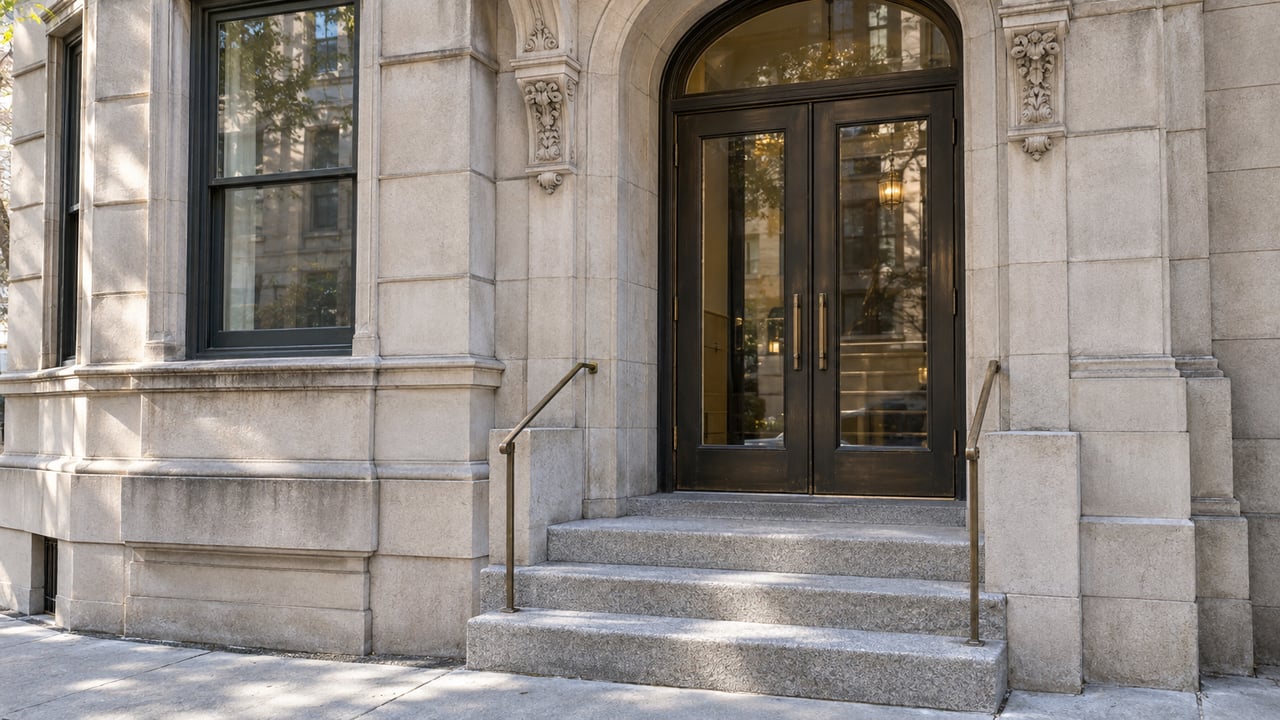
That variety helps explain why both full-service and boutique buildings are common here. The NYC Department of City Planning’s Upper West Side study describes a neighborhood mix that includes four-to-five-story apartment buildings and row houses in Manhattan Valley, along with larger tower developments in areas like Park West Village. Parts of the neighborhood also sit within the Upper West Side/Central Park West Historic District, which shapes the look and feel of many buildings.
What is a full-service building?
In New York City, a full-service building usually means you have full-time door staff, concierge coverage, and maintenance personnel, often with a superintendent or porter as well. As StreetEasy explains, these buildings may also include features like lounges, roof decks, pools, fitness rooms, package storage, and co-working space.
The appeal is clear. You are paying for convenience, support, and a more managed day-to-day experience. If you travel often, receive frequent deliveries, or simply want more hands-on building services, that can be a major advantage.
The tradeoff is cost. Full-service living often comes at a premium, and it can also mean more staff interaction and more tipping obligations. For some people, that is well worth it. For others, it is more service than they actually need.
What is a boutique building?
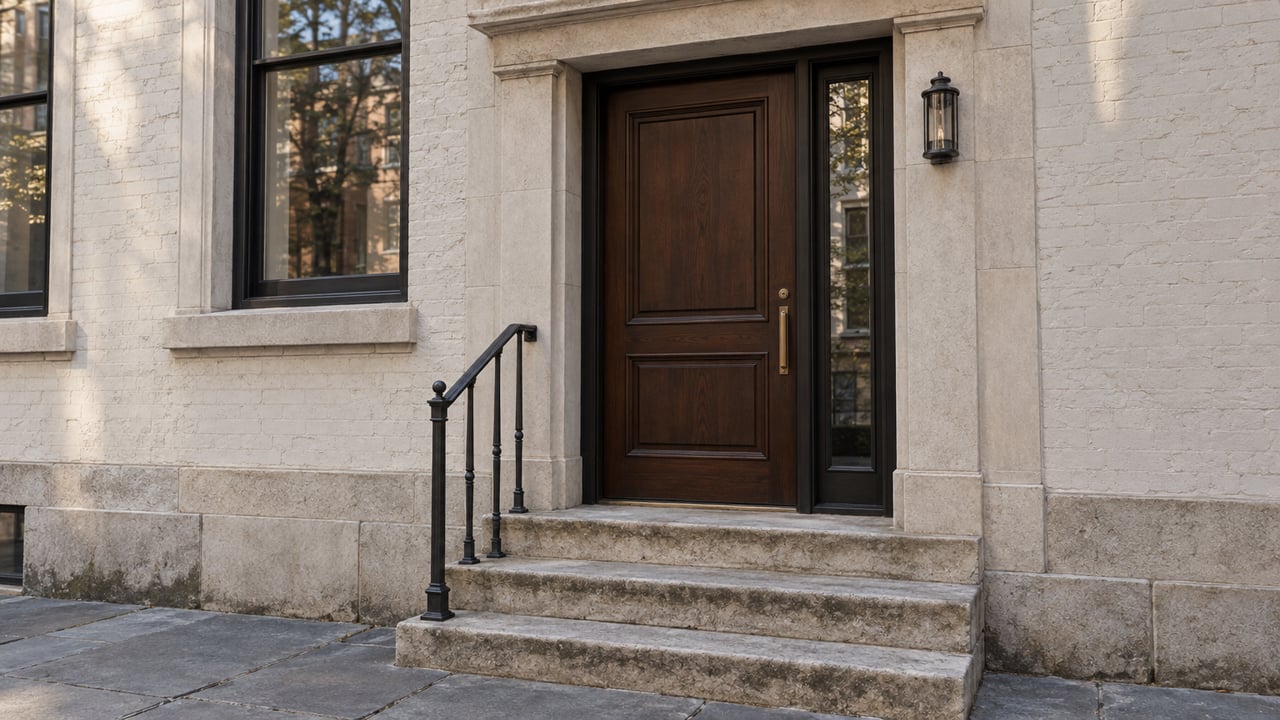
Boutique is a less exact term, but it usually refers to a smaller building with fewer apartments and a lighter amenity package. Brick Underground describes boutique buildings as smaller luxury properties that often feel more intimate and private, with less lobby and elevator traffic.
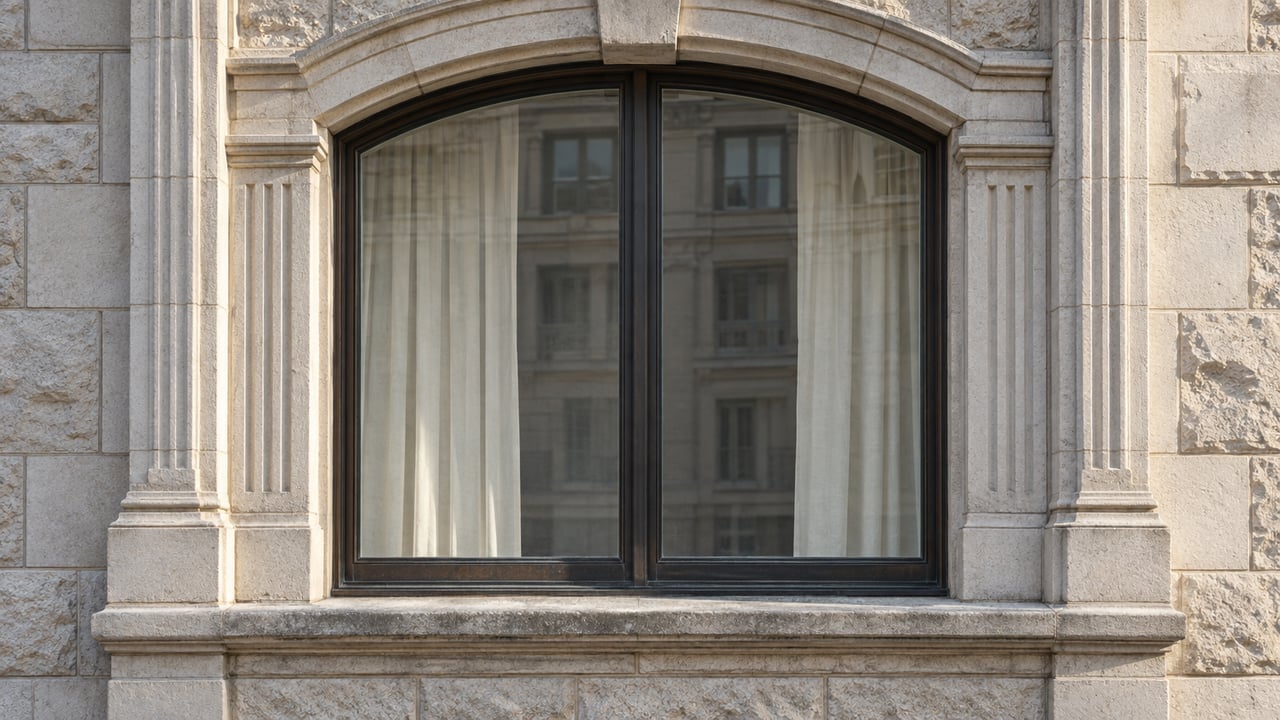
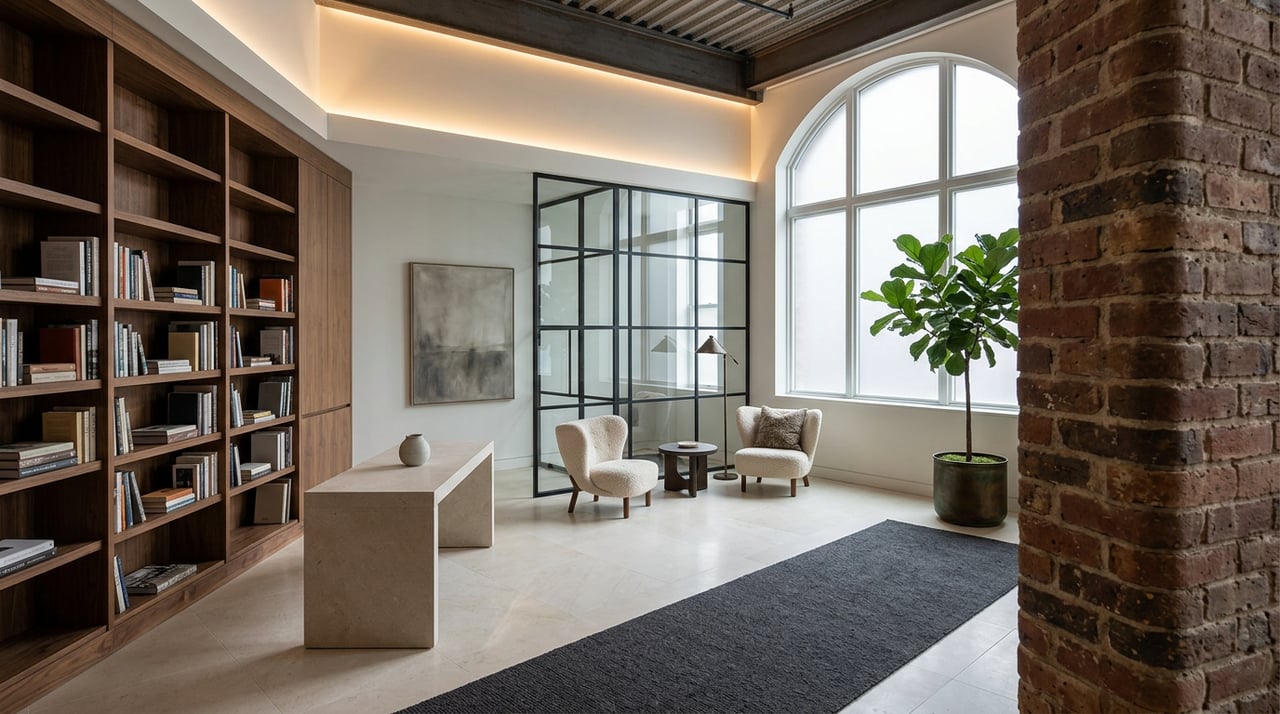
On the Upper West Side, boutique buildings often overlap with prewar or conversion properties. That can mean high ceilings, large windows, original hardwood floors, and more distinctive layouts. StreetEasy notes that prewar homes often offer formal layouts and architectural detail, though they may also come with smaller kitchens or baths and more renovation needs.
A boutique building is not automatically less expensive. A smaller apartment house on a prime block or a unique unit with outdoor space can still command a strong price. In other words, smaller does not always mean cheaper.
Full-service vs boutique at a glance
| Feature | Full-Service Building | Boutique Building |
|---|---|---|
| Building size | Often larger | Usually smaller |
| Staff | Full-time door staff, concierge, maintenance | Typically limited staff |
| Amenities | Broader amenity package is common | Slimmer amenities are more common |
| Daily feel | More convenience and activity | More privacy and lower-key atmosphere |
| Cost pattern | Often higher due to service level | Can be lower on amenities, but not always lower overall |
| Architecture | Can include newer developments and large prewars | Often prewar, conversion, or smaller-scale buildings |
How daily life differs
The easiest shorthand is this: full-service buildings trade money for convenience, while boutique buildings often trade services for character and privacy. That pattern lines up with the service and cost differences described in the reporting above.
In a full-service building, your day may feel smoother. Packages are easier to manage, guests can be received by staff, and common areas may be more built out. If your schedule is busy, these small efficiencies can add up.
In a boutique building, the lifestyle is often quieter and more personal. You may have fewer neighbors, less hallway traffic, and a stronger sense of the building’s individual personality. If you value a calm environment and a more intimate setting, that can be a meaningful benefit.
Costs are not always what they seem
Many buyers assume boutique means lower monthly costs and full-service means higher ones. Sometimes that is true, but not always.
In a smaller building, major expenses are spread across fewer units. Brick Underground notes that facade work, roof repairs, boilers, and other capital items can push maintenance higher when fewer residents share the bill. The New York Attorney General’s guide also flags facade, roof, elevator, plumbing, electrical, and boiler work as common expensive repair items in existing buildings.
In a full-service building, staffing and amenities can increase monthly charges, but the costs may be spread across a larger resident base. That is why you should look beyond the label and review the actual financial picture of the specific building.
Co-op or condo still matters
This is one of the most important points on the Upper West Side: full-service and boutique describe building style and service level, but they do not tell you the ownership structure. A building can be a full-service co-op, a full-service condo, a boutique co-op, or a boutique condo.
The Attorney General explains that co-op buyers purchase shares in a corporation and receive a proprietary lease, while condo owners hold title to their unit plus an interest in the common elements. That difference affects board review, subletting rules, and how flexible the property may be for secondary use.
Monthly costs work differently too. According to NYC Finance, co-op owners do not receive the property tax bill directly because the co-op board receives it and allocates taxes as part of maintenance. Condo owners, by contrast, pay property taxes on their units directly, while common charges generally exclude those taxes.
If you think you may want to sublet later, use the apartment as a secondary residence, or prioritize fewer board restrictions, this distinction matters just as much as whether the building is full-service or boutique.
Historic character can affect flexibility
Part of what makes the Upper West Side so appealing is its architecture. But in landmarked buildings or properties within a historic district, certain exterior changes may require approval.
The NYC Landmarks Preservation Commission explains that exterior work on landmarked properties usually requires LPC approval, and owners must keep the property in good repair. That can help preserve architectural character, but it may also limit how freely windows, facades, or rooftop elements can be altered.
This does not make one building type better than the other. It simply means that if historic detail is part of the appeal, you should also understand the practical implications.
What buyers should ask before deciding
If you are comparing Upper West Side buildings, these are the questions that usually matter most:
- Is the building a co-op or a condo?
- What services are actually in place today?
- If it is a new development, which amenities are specifically promised in the offering plan?
- Does the board allow subletting or secondary residences?
- Are there upcoming capital projects or likely assessments?
- Is the property landmarked or located in a historic district?
- What do board minutes and financial statements suggest about repairs or future building-wide costs?
That last point is especially important. The Attorney General’s guidance for co-op and condo buyers notes that offering plans and building documents matter, and verbal assurances are not enough. In newer full-service buildings, that is especially relevant when buyers are evaluating promised amenities.
What renters should keep in mind
Renters on the Upper West Side face many of the same tradeoffs. StreetEasy reports a median base rent of $4,500 before fees for the neighborhood, and the all-in cost can vary significantly depending on the building’s service level.
If you rent in a full-service building, you may pay more for the convenience of staff support and broader amenities. If you rent in a boutique building, you may get a more private, lower-key environment, though not necessarily at a discount if the apartment is especially well located or distinctive.
In either case, it helps to think about your daily routine. The right choice is usually the one that supports how you actually live, not just what sounds appealing during a showing.
Which option fits your priorities?
A full-service building may be the stronger fit if you want easy logistics, steady staff support, and an amenity-rich experience. A boutique building may be the better fit if you care most about privacy, architectural character, and a more intimate residential setting.
On the Upper West Side, both can be excellent choices. The key is to look past the label and evaluate the building’s ownership structure, financial health, rules, and long-term fit for your lifestyle.
If you are weighing full-service versus boutique options on the Upper West Side, working with an advisor who understands co-ops, condos, building financials, and neighborhood nuances can save you time and help you avoid expensive surprises. For tailored guidance on buying, selling, or leasing in Manhattan, connect with Ann Ferguson LLC.
FAQs
What is a full-service building on the Upper West Side?
- A full-service building usually includes full-time door staff, concierge coverage, and maintenance personnel, often with added amenities such as fitness rooms, roof decks, lounges, or package storage.
What is a boutique building on the Upper West Side?
- A boutique building is generally a smaller property with fewer apartments, a more private feel, and a lighter amenity package, often in a prewar or conversion setting.
Are boutique buildings cheaper than full-service buildings on the Upper West Side?
- Not always. Boutique buildings may have fewer amenities, but major repair costs are spread across fewer units, and prime locations or unique apartments can still drive high prices.
Does co-op or condo matter more than full-service or boutique?
- Both matter, but co-op versus condo affects ownership, board approval, subletting flexibility, and monthly cost structure, so it is a critical part of the decision.
Do historic district rules affect Upper West Side buildings?
- Yes. In landmarked properties or buildings within a historic district, certain exterior changes usually require approval from the Landmarks Preservation Commission.
What should Upper West Side buyers review before purchasing in either building type?
- Buyers should review the building’s ownership type, financials, board minutes, house rules, possible capital projects, and any offering plan details for promised amenities in newer developments.