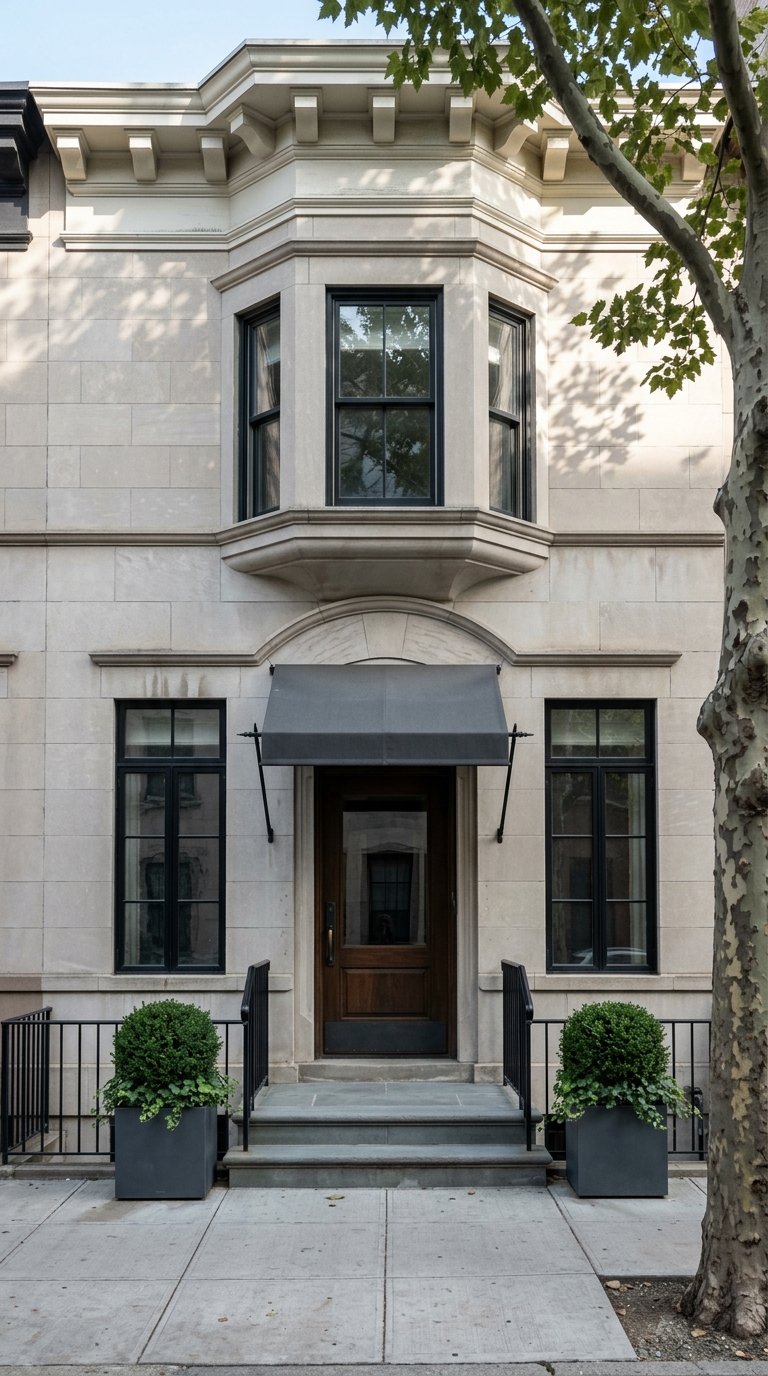
Wondering what daily life feels like near Lincoln Center? If you are considering a move to this part of the Upper West Side, you are likely looking for more than an address. You want to know how the neighborhood moves, what is easy, what feels busy, and whether the location fits your routine. This guide will walk you through the lifestyle, convenience, housing context, and everyday tradeoffs of living near Lincoln Center. Let’s dive in.
Lincoln Center lifestyle
Living near Lincoln Center means being close to one of Manhattan’s most concentrated cultural hubs. The campus sits between West 62nd and 65th Streets and Columbus and Amsterdam Avenues, with resident organizations that include the Metropolitan Opera, New York City Ballet, New York Philharmonic, Lincoln Center Theater, Jazz at Lincoln Center, Film at Lincoln Center, the Chamber Music Society of Lincoln Center, Juilliard, and the New York Public Library for the Performing Arts.
That concentration shapes the surrounding neighborhood in a real way. The David Rubenstein Atrium hosts concerts, talks, social dances, and workshops, and Lincoln Center also offers on-campus dining and grab-and-go options. In practical terms, that means your week can easily include a casual dinner, a last-minute performance, or a public event close to home.
Upper West Side streetscape
The area around Lincoln Center has the classic Upper West Side pattern of active avenues and quieter side streets. According to New York City Planning, Broadway, Amsterdam Avenue, and Columbus Avenue hold most of the commercial space in this extremely dense residential neighborhood.
Those main corridors are lined with restaurants, bars, small shops, and local services aimed at neighborhood residents. Planning documents also emphasize preserving an active streetscape and pedestrian-friendly environment. For you, that often translates to more energy on the avenues and a calmer feel once you turn onto residential blocks.
What the pace feels like
This is not a low-density, tucked-away part of Manhattan. It is a busy, urban, highly connected area where transit, foot traffic, and performance activity all play a visible role in daily life.
That said, the neighborhood is not one-note. If you like having movement, options, and a sense of place outside your front door, the area delivers. If you prefer quieter surroundings, the specific block, building position, and floor height can make a meaningful difference.
Daily convenience near Lincoln Center
One of the biggest advantages of living here is how easy daily errands can feel. Lincoln Center itself includes permanent dining and grab-and-go options, with a mix of sit-down restaurants, casual dining, coffee, snacks, and pre-show choices.
Beyond the campus, Columbus, Amsterdam, and Broadway create a strong neighborhood network for everyday needs. Grocery uses, restaurants, local services, and retail are concentrated along these avenues rather than spread evenly across every block. That pattern supports a very walkable routine for many residents.
What a normal day can look like
This is the kind of neighborhood where you may be able to handle several parts of your day within a compact area. Dinner, errands, coffee, and an evening performance can all fit into the same local loop.
That kind of convenience is a major reason buyers are drawn to this part of the Upper West Side. It supports a lifestyle that feels efficient without giving up variety.
Parks and outdoor access
For such a built-up part of Manhattan, access to green space is especially strong. Central Park begins at 59th Street and extends north to 110th Street, with NYC Parks listing 840.01 acres, 21 official playgrounds, and facilities for bicycling, tennis, dog-friendly use, and other recreation.
On the west side, Riverside Park Conservancy supports six miles of parkland from West 59th to 181st Street. Closest to Lincoln Center, Riverside Park South stretches from 59th to 65th Streets and hosts arts, cultural, wellness, recreational, and entertainment events each year.
How park access shapes daily life
If outdoor routine matters to you, this location stands out. Morning runs, playground visits, dog walks, waterfront strolls, and simple time outside are all more accessible here than in many other dense Manhattan settings.
That balance is part of the appeal. You get a deeply urban location, but you are also close to two of the city’s most valuable outdoor assets.
Transit and getting around
Transit access is one of the strongest practical benefits of living near Lincoln Center. Lincoln Center identifies the West 66th Street 1 station and the 59th Street-Columbus Circle A, B, C, D, and 1 stations as the nearest accessible subway stops.
Bus service is also close at hand. The M5, M7, M10, M11, and M104 all stop within one block of campus. MTA accessibility information also includes both 66 St-Lincoln Center and 59 St-Columbus Circle.
Is a car necessary here?
For many residents, a car is optional rather than essential. With multiple subway lines, bus routes, and strong walkability, this is one of those Manhattan locations where you can move through daily life without relying on a vehicle.
That is especially useful if your priorities include convenience, flexibility, and easy access to other parts of the city. For buyers evaluating lifestyle fit, that can be a major point in the area’s favor.
Housing near Lincoln Center
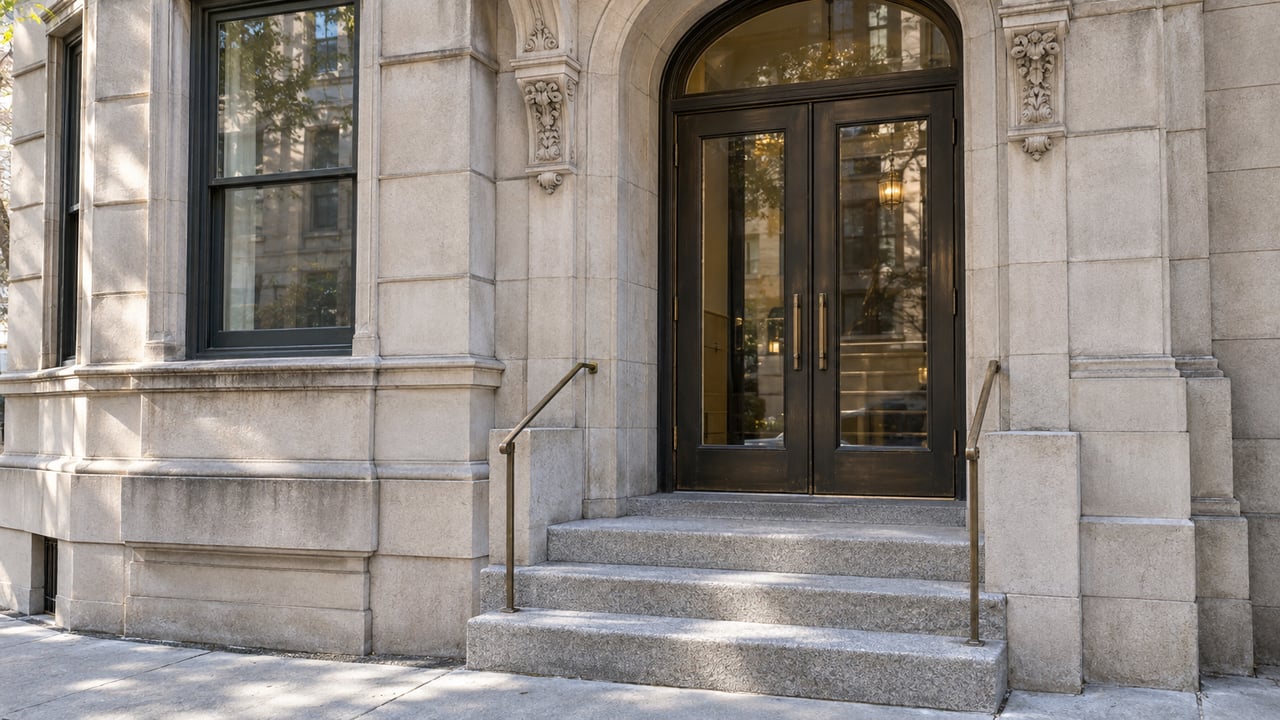
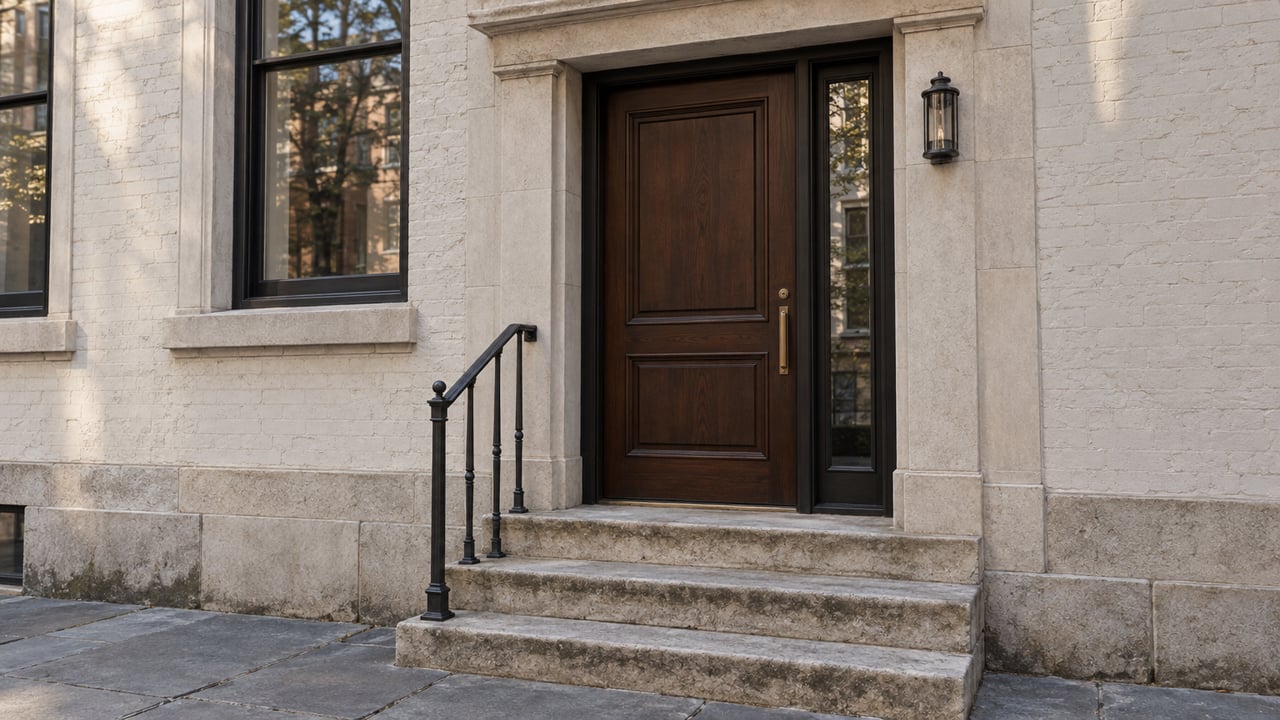
The housing context is mostly apartment living. New York City Planning describes the broader Upper West Side as a place where dense, tall buildings on wide avenues share blocks with smaller townhouses and multifamily apartment buildings on narrower streets.
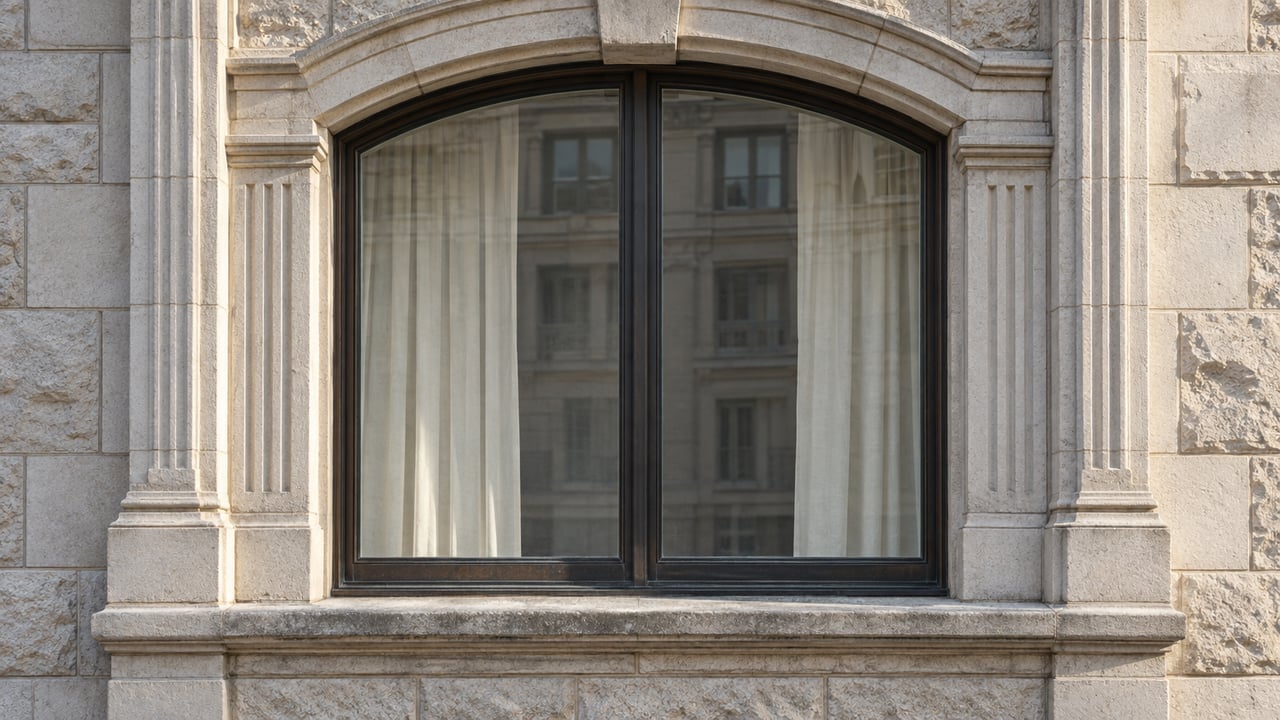
Near Lincoln Center, that often means an urban residential mix with a strong prewar-to-midcentury feel. Planning materials also note that Amsterdam and Columbus include many buildings dating from the 1900s to the 1920s, while Broadway has supported larger retail, commercial, and residential development.
What buyers should expect
If you are shopping here, you are generally looking at an apartment-oriented environment rather than detached housing or large private outdoor space. Building scale, avenue exposure, and block location can shape the feel of a home quite a bit.
In broad terms, you can expect a mix of established multifamily buildings, classic Upper West Side character, and some larger or newer-scale options along the main corridors. For many buyers, the appeal is less about seclusion and more about access, architecture, and everyday ease.
Who this location tends to suit
Living near Lincoln Center tends to appeal to buyers who want culture close by, easy access to parks, and strong transit connections. It is also a good fit for people who value being able to walk to dining, errands, and neighborhood services.
This area may be less appealing if your top priority is a quieter, lower-density residential setting or substantial private outdoor space. Like many great New York decisions, it comes down to tradeoffs. Here, the tradeoff often favors energy, convenience, and a strong sense of connection to the city.
Final thoughts on living here
The blocks around Lincoln Center offer a distinctly Upper West Side version of Manhattan living. You are close to major cultural institutions, surrounded by useful commercial corridors, and within reach of both Central Park and Riverside Park.
For the right buyer, that combination is hard to replicate. If you are weighing a move to this part of the Upper West Side, the key is to match the building and block to the lifestyle you want most. For thoughtful guidance on buying, selling, or leasing in Manhattan, connect with Ann Ferguson LLC.
FAQs
What is it like to live near Lincoln Center on the Upper West Side?
- Living near Lincoln Center typically means an urban, culture-centered lifestyle with strong access to performances, restaurants, everyday services, transit, and nearby park space.
Is the area near Lincoln Center noisy?
- Activity is generally greater on the avenues and around performance times, while side streets and higher floors are more likely to feel calmer.
Can you live near Lincoln Center without a car?
- Yes. Nearby access to the 1, A, B, C, and D trains, along with several bus lines, makes car-light living realistic for many residents.
What kind of housing is common near Lincoln Center?
- Most housing in the area is apartment living, with a mix of multifamily buildings, prewar-to-midcentury character, and some larger-scale development along major avenues.
What parks are close to Lincoln Center?
- Central Park begins at 59th Street nearby, and Riverside Park South runs from 59th to 65th Streets, giving residents access to green space, recreation, and waterfront paths.