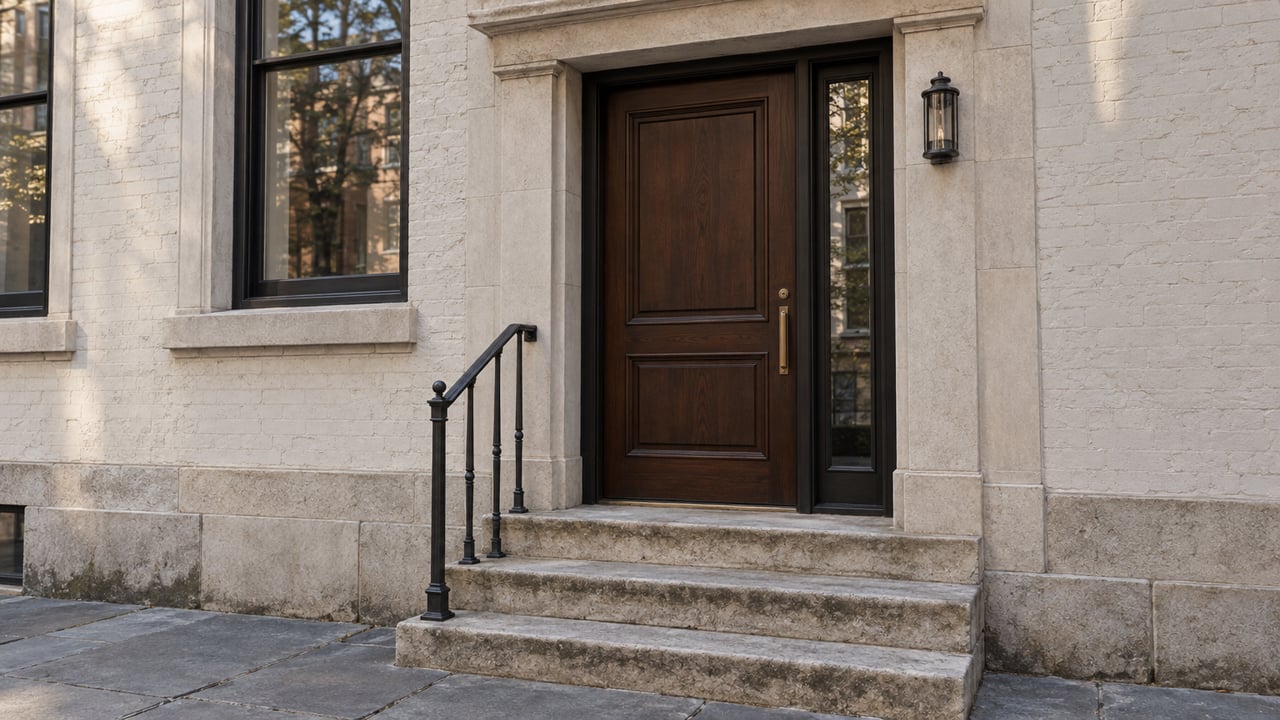
You can find both sides of the Upper East Side housing story on the same block. One building may offer a classic co-op with established rules and a familiar monthly structure, while another offers a newer condo with modern systems and a very different ownership model. If you are weighing new development against a classic co-op, the real question is not just style. It is how you want to live, what you want to pay each month, and how much flexibility you need. Let’s dive in.
Why this choice matters on the Upper East Side
The Upper East Side is a mature neighborhood, but it is not frozen in time. According to the NYU Furman Center, the area added 3,500 units in buildings with four or more units from 2010 to 2024, and 85% of those units were market-rate. That means you are shopping in a market where established co-ops and more recent development truly coexist.
That mix gives you unusual range. Instead of choosing between neighborhoods, you are often choosing between ownership structures within the same few blocks. On the Upper East Side, that can make the decision feel less like old versus new and more like governance versus flexibility.
How classic co-ops work
When you buy a co-op, you are not buying the apartment as separate real property. You are buying shares in the corporation that owns the building, and those shares are tied to your apartment through a proprietary lease. In practical terms, your ownership is connected to the building’s corporate structure.
That structure affects everyday life. Co-op buildings are run by a board of directors elected by shareholders, and the board follows the building’s by-laws, proprietary lease, certificate of incorporation, and house rules. On the Upper East Side, where many co-ops are long-established, those rules can play a big role in the ownership experience.
For many buyers, this is either the main appeal or the main drawback. A classic co-op can offer a strong sense of order and consistency, but it also means the building’s policies matter as much as the apartment’s layout or finishes. Before you focus on design details, you need to understand the rules that shape daily ownership.
How new-development condos work
A condo works differently. You own your individual unit as real property, along with an undivided interest in the building’s common areas. That means your ownership is more direct than in a co-op.
For new-development condos, the offering plan is especially important. New-development sales are typically governed by an offering plan filed with the New York State Attorney General, and that plan outlines the sponsor’s obligations related to the building, units, and certain ancillary spaces. The Attorney General reviews the filing for compliance, but does not approve the plan.
This matters because much of your due diligence flows through those documents. In a classic co-op, buyers often focus heavily on board rules and building culture. In a new-development condo, the focus often shifts more toward the offering plan, sponsor disclosures, turnover timing, and the details of what is actually being delivered.
Monthly costs look very different
The biggest day-to-day difference between these two options is often the monthly cost structure. In a co-op, your maintenance may include building expenses, property taxes, and sometimes an underlying mortgage. You usually pay one bundled monthly amount.
In a condo, you pay common charges for shared building expenses and systems, and you pay your real estate taxes separately. That can make the monthly picture look cleaner at first glance, but it also means you need to evaluate two separate cost lines instead of one.
For Upper East Side buyers, that difference can shape how affordable a property feels over time. A co-op’s higher monthly maintenance may reflect costs that would be billed separately in a condo. A condo’s lower common charges do not tell the full story unless you add taxes into the equation.
Property taxes and abatements need a closer look
In New York City co-ops, the Department of Finance sends the property tax bill to the co-op board, and the board allocates those taxes to individual units as part of common charges. Co-op owners do not pay the tax directly. In condos, the owner pays taxes directly.
There is also an important tax-abatement point in both property types. New York City’s co-op and condo property tax abatement is not automatic. The board or managing agent applies on behalf of the development, the unit must be your primary residence, and units owned by a business such as an LLC are not eligible.
If you are considering a new-development condo, do not assume a fresh 421-a benefit exists. Under current HPD rules, the New 421-a program applies only to projects that started construction between January 1, 2016 and June 15, 2022 and are completed on or before June 15, 2026. Because Manhattan is in the geographic exclusion area, a 2026-era Upper East Side new development should not be assumed to have that benefit unless the offering documents show it is a qualifying legacy project.
Price expectations are usually higher in new development
Manhattan-wide data help explain why many buyers feel sticker shock when comparing new development to classic co-ops. In the Elliman and Miller Samuel Q4 2025 report, the median sales price was $998,500 for co-op resales, $1,661,000 for condo resales, and $2,285,000 for new development. Price per square foot followed the same pattern, with co-ops at $1,154, condos at $2,099, and new development at $2,597.
These are Manhattan figures, not Upper East Side-only figures, but they are useful benchmarks. They show how new development tends to sit at the top of the pricing stack. If you are comparing a classic Upper East Side co-op with a newer condo, you are often comparing not just finishes and amenities, but also two very different pricing tiers.
That does not mean one is better than the other. It means you should be clear about what premium you are paying for. Sometimes that premium reflects newer systems, modern layouts, and amenity packages. Sometimes a classic co-op offers more space or a more favorable cost structure for your priorities.
Time on market can vary by product type
The same Manhattan report showed average days on market of 72 for co-op resales, 78 for condo resales, and 96 for new development. That does not prove why one category sells faster than another, but it does suggest that new-development inventory can sit longer.
For you as a buyer, that may create room for careful negotiation or deeper review. For you as a seller, it is a reminder that product type can influence pacing and expectations. On the Upper East Side, where buyers often compare multiple ownership structures at once, the way a home is positioned matters.
Due diligence is different, not lighter
If you are choosing between a classic co-op and a new-development condo, due diligence should never be treated as a formality. The New York State Attorney General advises buyers to read the entire offering plan before signing and to review board minutes and financial reports. The same guidance recommends physical due diligence on items such as the facade, roof, flooring, appliances, elevators, HVAC, windows, electrical wiring, and plumbing.
That advice applies whether the apartment feels brand new or deeply established. New does not eliminate document review, and classic does not automatically mean riskier. On the Upper East Side, where building history and legal structure can vary widely, the details matter.
Resale transactions also require a different lens. The Attorney General notes that when you buy from an individual owner on resale, the sale may not be regulated by the AG and an offering plan may be stale or absent. That makes your attorney, lender, and broker even more important in understanding what is current, what is missing, and what needs closer review.
Board control and sponsor control shape ownership
In co-ops, sponsor control usually exists in the early phase because the sponsor initially owns most of the shares. In most cases, that control must be given up after the sponsor sells more than 50% of the shares or five years have passed since closing, whichever comes first. In condos, the sponsor must disclose whether it will retain control of the board of managers after the first unit closing and how and when it will relinquish that control.
Why does this matter to you? Because control affects decisions, operations, and expectations. If a building is still sponsor-controlled, you may want to understand how that impacts repairs, budgets, and long-term governance.
This is one reason experienced guidance matters so much in Manhattan. The apartment may be beautiful, but the documents tell you how the building actually functions. In many Upper East Side transactions, that is where the most important answers are found.
Which option fits your priorities?
A classic co-op may be the stronger fit if you value an established building structure, understand that maintenance may bundle major costs, and are comfortable with a more rule-driven ownership experience. Many buyers also appreciate that co-ops can offer a lower entry price relative to condos and new development.
A new-development condo may make more sense if you want direct real-property ownership, separate tax treatment, and a document package centered on the offering plan and sponsor disclosures. You may also be looking for newer systems, more contemporary finishes, or a different level of building amenities.
The right answer depends on your goals. If flexibility, ownership structure, and long-term exit strategy matter most, you should compare those issues just as carefully as you compare floor plans or kitchens. On the Upper East Side, the smartest buyers look at the full picture.
If you are comparing a classic co-op to a new-development opportunity on the Upper East Side, seasoned guidance can help you weigh the numbers, the documents, and the tradeoffs with more confidence. For discreet, hands-on advice tailored to your goals, connect with Ann Ferguson LLC.
FAQs
What is the main ownership difference between an Upper East Side co-op and condo?
- In a co-op, you buy shares in the corporation that owns the building and receive a proprietary lease for the apartment. In a condo, you own the unit as real property plus an interest in the common areas.
How do monthly costs differ between Upper East Side co-ops and new-development condos?
- Co-op maintenance may include building expenses, property taxes, and sometimes an underlying mortgage, while condo owners usually pay common charges and real estate taxes separately.
Are new-development condos on the Upper East Side always more expensive?
- Manhattan-wide data show that new development typically commands higher median prices and price per square foot than co-op resales and condo resales, though any individual property still depends on its specific features and location.
Does a new-development condo on the Upper East Side automatically come with a tax abatement?
- No. New York City’s co-op and condo tax abatement is not automatic, and eligibility depends on rules such as primary residence use and ownership structure. You also should not assume a fresh 421-a benefit unless the offering documents show a qualifying project.
What documents matter most when buying an Upper East Side co-op or new development?
- Buyers should closely review materials such as the offering plan, amendments, board minutes, financial reports, and building documents, along with physical building conditions and any sponsor-control disclosures.
Why do board rules matter so much in an Upper East Side co-op purchase?
- Co-op boards have broad authority over building operations and rule enforcement, so the building’s by-laws, proprietary lease, and house rules can shape your ownership experience as much as the apartment itself.