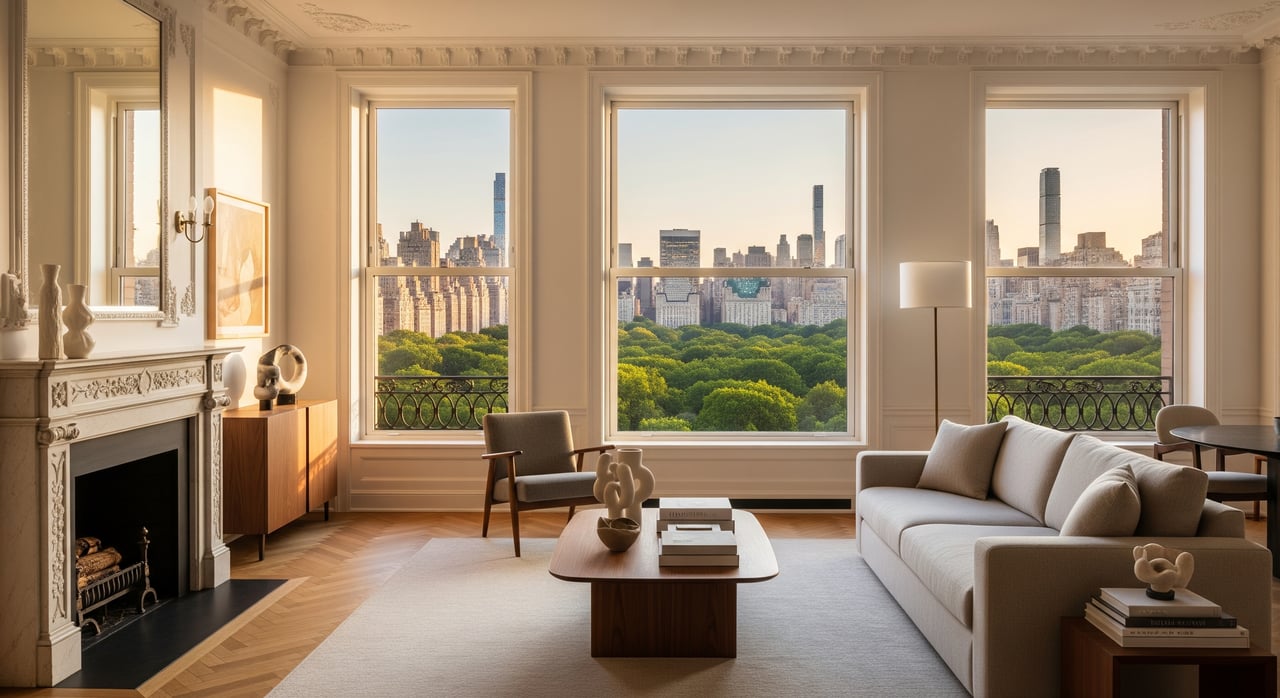
You picture your mornings starting with sunlight on the trees, a quick jog in the park, and a coffee back at your window overlooking Central Park. Living along Central Park West can deliver that daily ritual, but it also comes with tradeoffs in noise, pricing, and building rules. If you are weighing the Upper West Side’s park-edge lifestyle, you want a clear, practical view of both sides. This guide breaks down the benefits, the realities, and the smart steps to find the right fit for your needs. Let’s dive in.
Why Central Park West appeals
Light, views, and a sense of space
Park-facing apartments often offer open sightlines and the calming effect of greenery. Higher floors reduce street noise and preserve views above the treetops, which many buyers value for quality of life and future resale. If morning light and a connection to nature are on your wish list, the park edge delivers both.
Everyday access to recreation
When the park is across the street, you get instant access to running loops, bike paths, playgrounds, and lawns. For parents, pet owners, and anyone who recharges outdoors, proximity makes it easier to use these amenities daily. You are also close to cultural touchpoints that cluster in the 60s through 80s.
Architecture and services with cachet
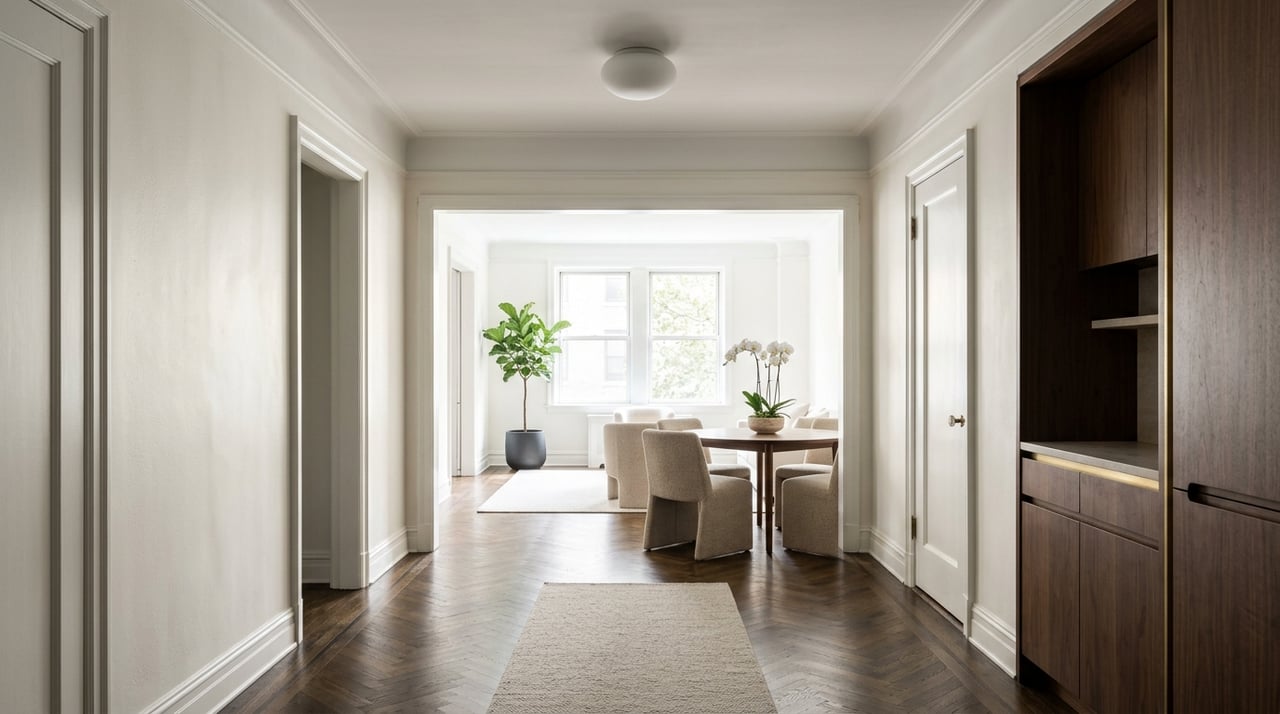
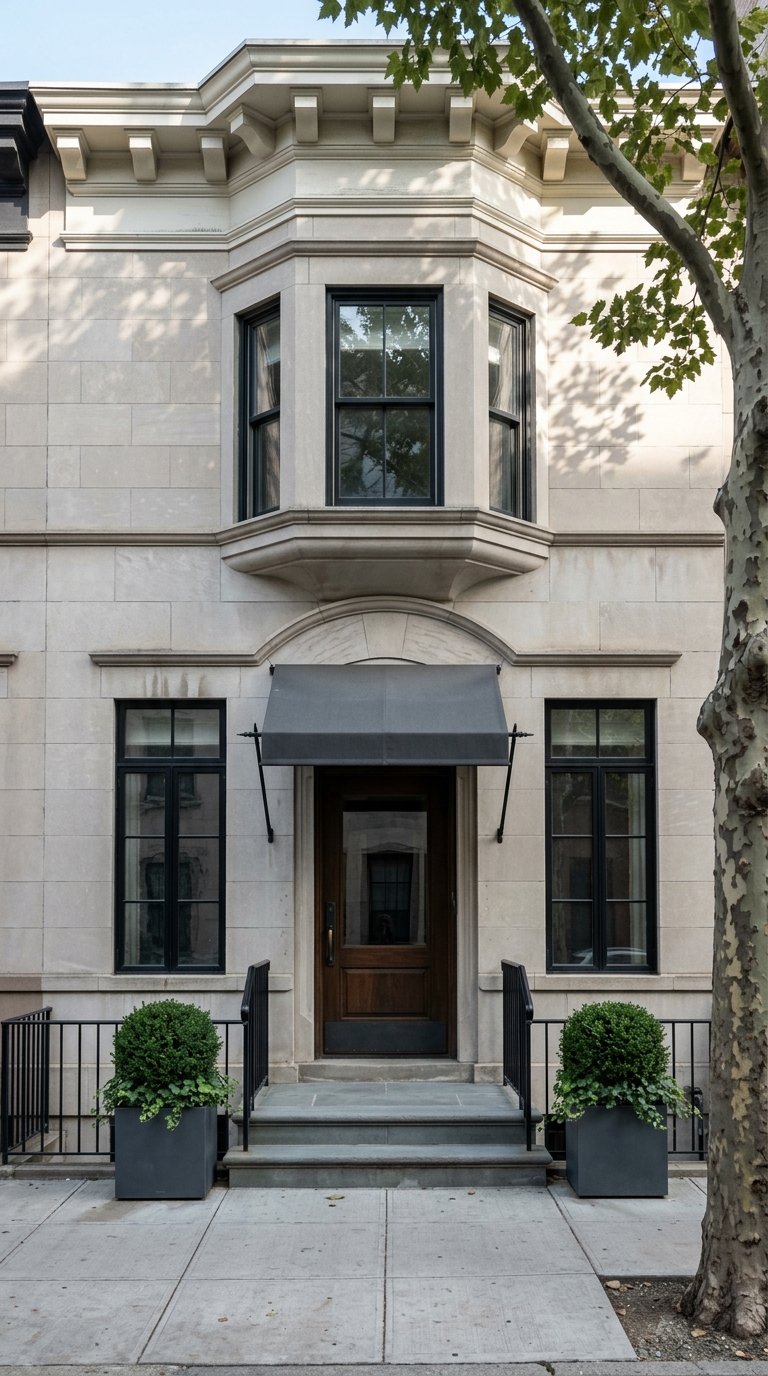
Central Park West is home to many landmarked, prewar buildings known for scale, ceiling height, and craftsmanship. You also see a high concentration of full-service properties with doormen and on-site staff. That combination of design and service is a major draw for buyers who prize character and convenience.
Central location and transit access
The corridor sits in a central Manhattan location with multiple nearby subway and bus options and straightforward access to Midtown. For many commutes, that blend of park life and city convenience is tough to match.
Tradeoffs to consider
Foot traffic and seasonality
Central Park attracts tens of millions of visits annually. Pedestrian activity along the park edge is steady year-round and spikes on weekends, in warmer months, and during fall foliage. You should expect heavier foot traffic near major entrances, Columbus Circle, and popular cross-streets.
Street noise varies by floor and exposure
Central Park West carries local traffic and buses. Street noise is more noticeable on lower floors, especially for units facing the avenue. Windows, elevation, and building construction all influence what you hear day to day.
Privacy and view dynamics
Lower floors may have views filtered by the tree canopy in spring and summer or interrupted by park features. Higher floors typically offer more privacy and consistent sightlines, though they command a premium. If unbroken views are non-negotiable, prioritize elevation and confirm the exact line-of-sight.
Premium pricing and total cost
Park adjacency and views often translate to higher asking prices, monthly charges, and taxes compared with similar apartments a few blocks west. The size of that premium depends on building, floor, layout, and market conditions. Look beyond list price to understand the full carrying costs and any upcoming capital projects.
Building rules and renovation timelines
Many iconic Central Park West addresses are co-ops with board approvals, sublet limits, and detailed renovation policies. Older, landmarked buildings can also require specific materials or permits for exterior work. These factors affect financing, rental flexibility, and timelines for updates.
Allergens and seasonal considerations
Living beside a major green space can mean more pollen and insects during peak seasons. If you have allergies, test the environment at different times of year before you commit.
Security and lobby experience
Higher foot traffic creates more activity outside building entrances, which some residents view as a safety benefit. Others value more controlled access and lobby layouts that preserve privacy from passersby. Review entry, staffing, and camera systems with the building team.
What orientation and floor should you target?
East-facing park views
Park-facing exposures typically deliver greenery and softer morning light. On lower floors, leaves can obscure views during warm months. If a specific park vista matters to you, stand at the windows and confirm sightlines to entrances, trees, and nearby features.
West and south exposures
West-facing apartments often get stronger afternoon and evening light. From higher floors, you may enjoy broad city vistas. Corners and rooms with southern exposure tend to receive more direct sun across the day, while north-facing rooms provide even, cooler light with less direct sun.
Lower, mid, and high-floor tradeoffs
- Lower floors: easier access and often lower pricing, but more street noise and less privacy.
- Mid to high floors: better views and less street noise, but higher price and greater reliance on elevator service.
- Tip: visit the apartment at morning and evening to see real light patterns and listen for ambient noise.
Soundproofing and HVAC details
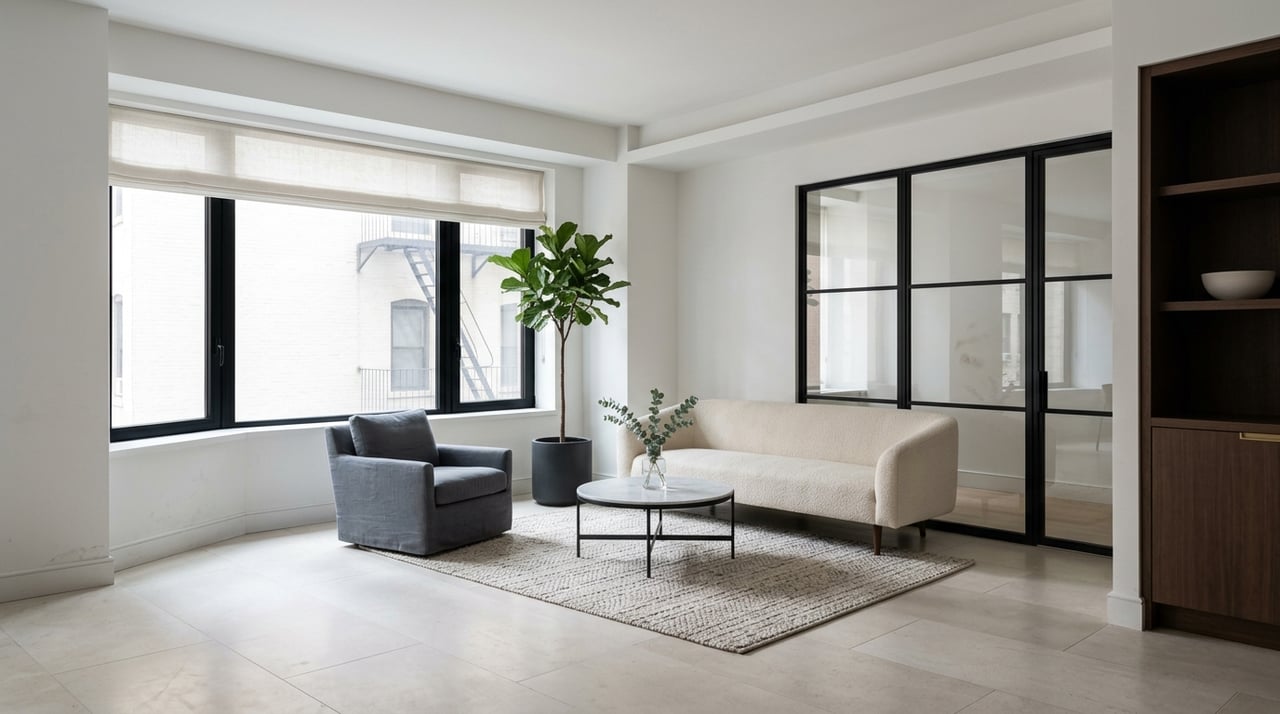
- Windows: double or triple glazing and well-fitted storm windows make a meaningful difference.
- Construction: many prewar buildings offer thicker walls that help with sound isolation.
- HVAC: confirm whether central or through-wall systems are allowed and how they affect noise and efficiency.
Co-op vs condo on Central Park West
Co-ops: governance and implications
Co-ops are common along Central Park West. Expect board interviews, restrictions on subletting, and a structured renovation approval process. Monthly maintenance in co-ops often includes property taxes, which changes how you compare carrying costs to condos.
Condos: flexibility and costs
Condos usually offer more flexibility for owners and renters, which can be helpful for pied-à-terres or long-term investment plans. In full-service buildings, common charges can still be significant. Availability of condos varies by block and building vintage.
Full-service vs boutique
Full-service buildings offer doormen, on-site staff, and amenities that simplify city living. Smaller, non-service buildings may deliver lower monthly costs and a more intimate feel. Align the services you will actually use with what you are paying each month.
Quiet alternatives near the park
If you love the park but want more day-to-day calm, look one to three blocks west of Central Park West on tree-lined side streets. Foot and vehicle traffic tends to ease as you move away from major park entrances and avenues. You can still reach the park in minutes while trading a front-row view for quieter living and potentially lower carrying costs.
Showings checklist near Central Park West
Use this quick list to evaluate fit and value.
- Visit at varied times: weekday morning, weekday evening, and weekend midday to gauge light, foot traffic, and noise.
- Confirm orientation: stand at each window, look at the tree canopy and park features, and consider seasonal changes to views and sun.
- Ask for building documents: co-op policies or condo bylaws, renovation rules, and sublet guidelines.
- Review finances: monthly maintenance or common charges, real estate taxes, and any pending special assessments.
- Inspect the envelope: recent facade, roof, or masonry work and planned projects that could affect costs.
- Test sound: make a phone call, listen with windows closed and open, or use a sound meter app.
- Check windows and HVAC: are windows original or replaced and what are the AC rules and systems?
- Plan for resale or rental: request building history on sublets and average time on market for past listings.
Is the park premium worth it?
The answer is personal. If daily access to nature, light, and iconic architecture enhances your life, a park-facing home can be worth the premium. If you prioritize quiet, value, or flexible building policies, a park-block or side-street location might fit better while keeping you steps from the lawn. Compare recent sales across park-facing, park-block, and two-blocks-west comps to see how the market prices each option at your budget and bedroom count.
Work with a local advisor
Finding the right Central Park West apartment is about nuance: exposure, floor, window systems, board rules, and a building’s capital plan. You deserve senior guidance, precise pricing, and a negotiation strategy aligned with your goals. For a discreet, high-touch search or sale on the Upper West Side, connect with Ann Ferguson LLC. We will help you benchmark premiums, navigate co-op governance, and position you for a confident decision.
FAQs
How much more do buyers pay for a park view on the Upper West Side?
- Premiums vary by building, floor, and market cycle; compare recent park-facing, park-block, and two-blocks-west comps at your size and condition to quantify the current uplift.
Do park-facing apartments near Central Park West get more noise?
- Lower floors facing the avenue tend to hear more traffic and buses; double glazing, higher floors, and solid prewar construction reduce street noise.
What floor balances view and price near Central Park West?
- Many buyers target mid to high floors for clearer views and less noise while avoiding ultra-premium penthouse pricing; confirm elevator reliability and egress.
How do co-op rules on Central Park West affect rental flexibility?
- Many co-ops limit subletting and require board approvals; review bylaws and historical sublet data before you make an offer if rental flexibility matters.
What seasonal patterns should I expect living on Central Park West?
- Expect higher visitor activity in spring, summer, and fall, plus busy weekends and holiday periods, with calmer weekday patterns in colder months.
What should I inspect for light and sound in a CPW apartment?
- Verify compass orientation, visit at morning and evening, check window type and condition, and use a sound meter app to measure ambient noise.
Are side streets west of Central Park West quieter than the park edge?
- Generally, yes; moving one to three blocks west often brings lighter pedestrian flow and vehicle traffic while keeping you a short walk to the park.