Trying to choose the right Upper West Side avenue can feel harder than narrowing down the right apartment. On paper, West End Avenue, Broadway, and Amsterdam Avenue all put you in the same neighborhood, but day-to-day life can feel very different depending on which corridor you call home. If you are comparing blocks, buildings, and routines, this guide will help you understand how each avenue fits a different version of Upper West Side living. Let’s dive in.
Why Avenue Choice Matters
On the Upper West Side, avenue choice is not just about an address. Manhattan Community Board 7 covers the neighborhood from 59th to 110th Streets between Central Park and the Hudson River, so where you land often shapes how close you feel to parks, retail, and transit.
City Planning identifies Broadway, Amsterdam Avenue, and Columbus Avenue as the area’s main commercial corridors. It also notes that many other avenues and most side streets have little or no commercial frontage, which is a big reason why one avenue can feel busy and convenient while another feels quieter and more residential.
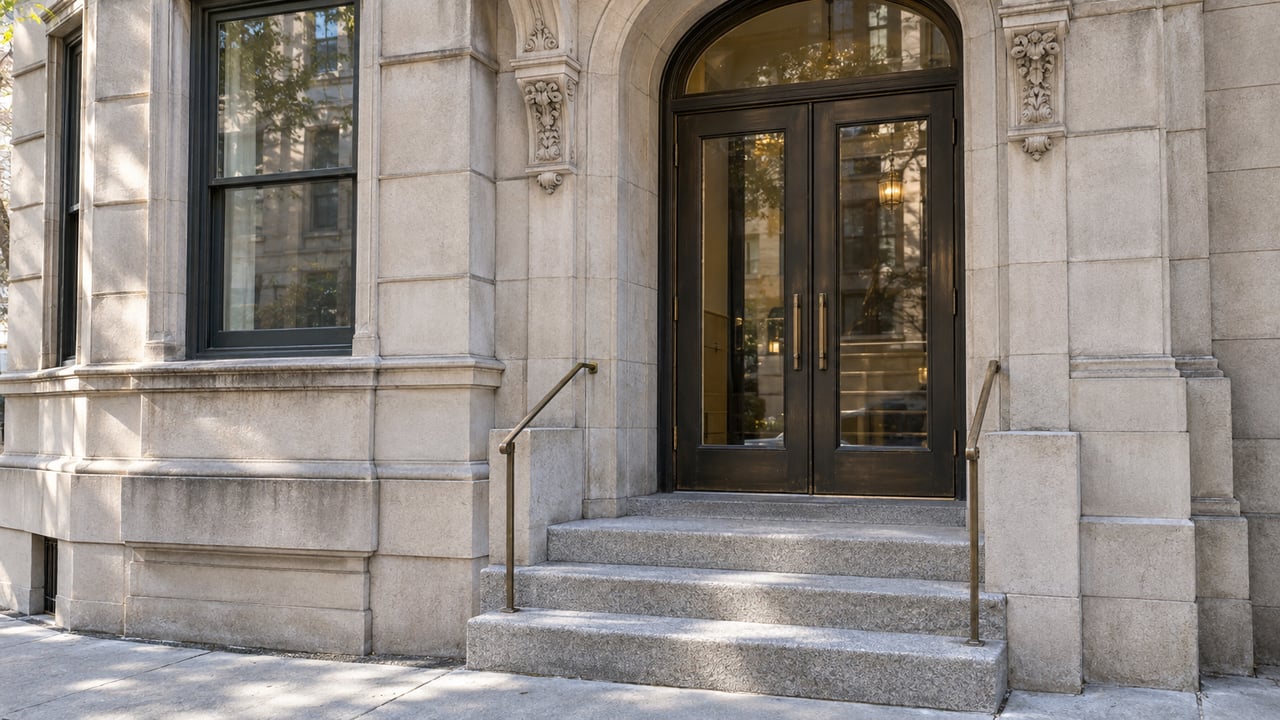
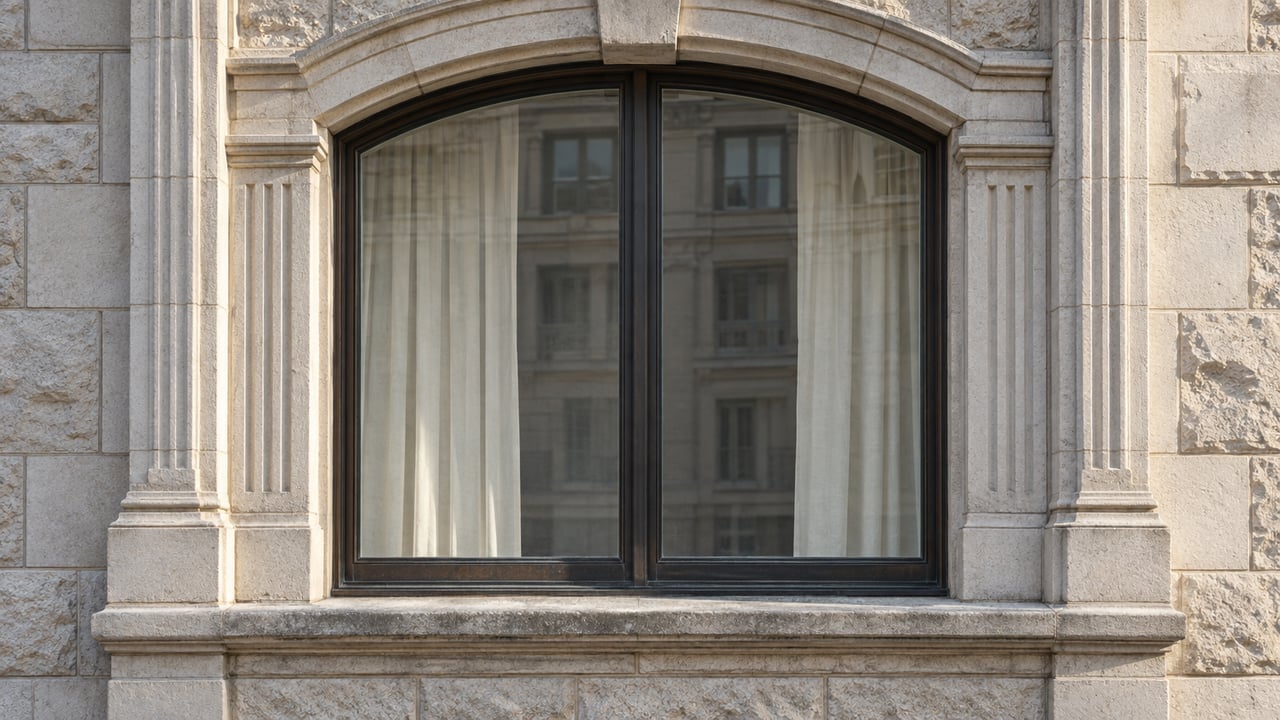
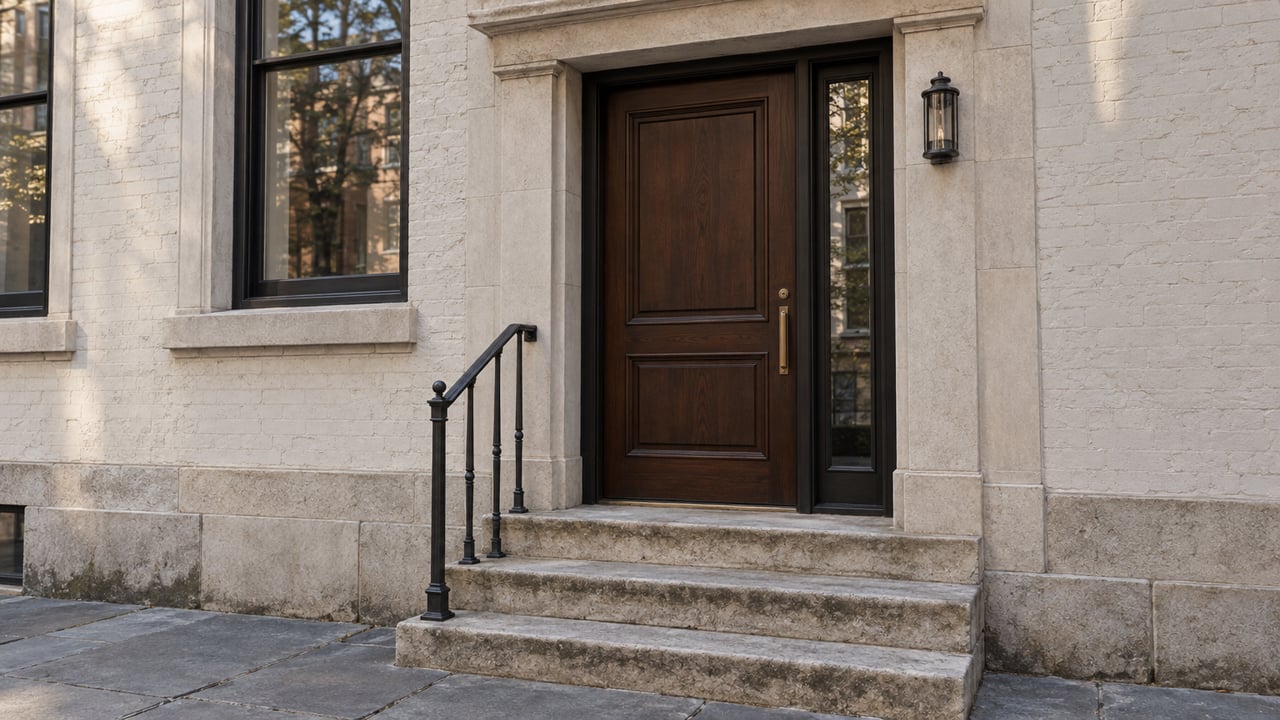
The built environment is layered too. Across the Upper West Side, you will see a mix of grand apartment buildings, row houses, tenements, French flats, and later towers, so the question is less which avenue is best and more which avenue best matches how you want to live.
West End Avenue at a Glance
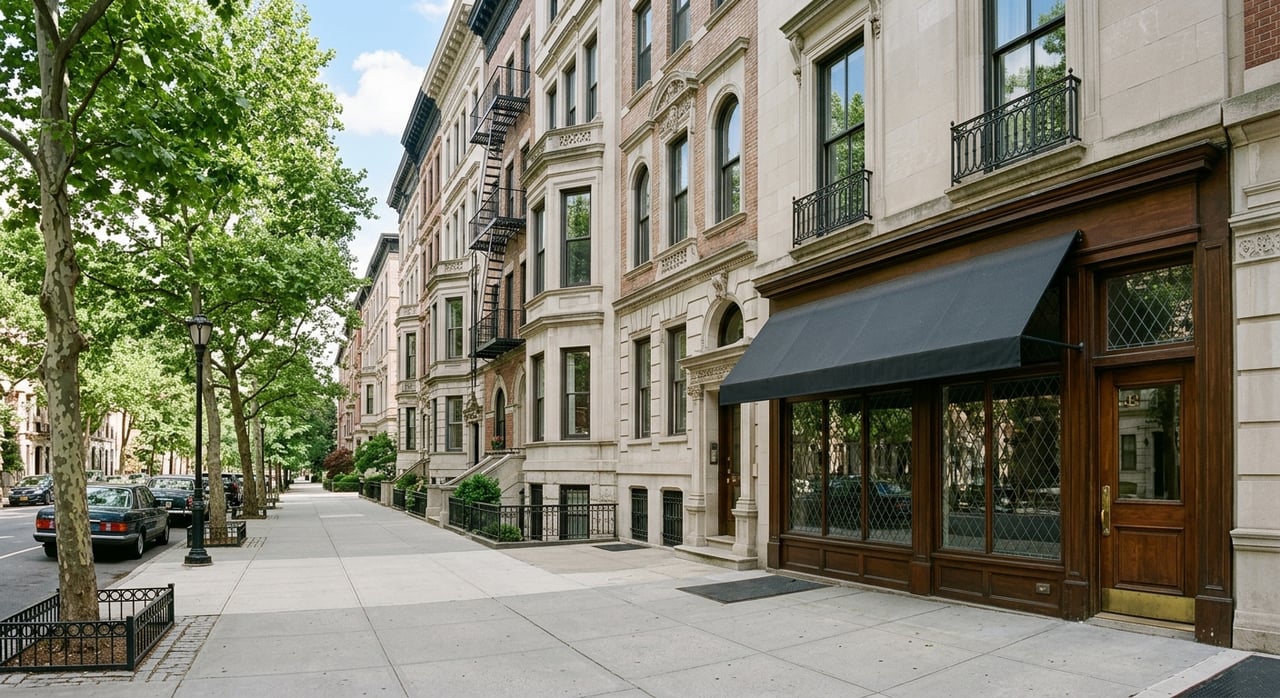
West End Avenue is typically the most residential-feeling option in this comparison. The Riverside-West End Historic District Extension II describes West End Avenue and Riverside Drive as two spines of a cohesive district lined by large apartment buildings that create a strong streetwall, with smaller clusters of row houses and mansions mixed in.
Because West End is not one of the neighborhood’s three principal retail corridors, it generally has fewer storefront interruptions than Broadway or Amsterdam. In practical terms, that often translates to a calmer streetscape and a more building-first feel.
West End Street Feel
If you are drawn to a quieter rhythm, West End often stands out. You may notice more continuity from building to building and less of the stop-and-go energy that comes with heavier retail frontage.
That does not mean it feels isolated. It means the avenue tends to read as residential first, with daily activity shaped more by residents coming and going than by a steady stream of storefront traffic.
West End and Park Access
For many buyers, West End’s biggest advantage is its connection to the Hudson River side of the neighborhood. Riverside Park South stretches along the river between West 59th and West 72nd Streets, reinforcing the avenue’s park-oriented appeal, especially on the southern stretch of the Upper West Side.
If access to waterfront open space is high on your list, West End may feel especially compelling. It places you closer to the west side of the neighborhood’s park-to-river axis rather than the Central Park side.
West End and Transit
Transit is still convenient, but it is less concentrated directly on West End itself. The main Upper West Side subway spine shown on the MTA map runs along or near the Broadway corridor, with stations at 66th, 72nd, 79th, 86th, 96th, and 103rd Streets, plus Columbus Circle to the south.
For many West End residents, that means walking east to reach the subway. If you like a quieter avenue and do not mind that tradeoff, West End can offer a strong balance of calm and convenience.
Broadway at a Glance
Broadway is the most retail-forward and transit-rich avenue of the three. City Planning describes it as having a more varied and active retail environment, including larger retail spaces and second-story retail establishments.
That broader commercial pattern helps explain why Broadway often feels the most energetic and urban. If you want your errands, dining options, and subway access to be as direct as possible, Broadway is usually the clearest fit.
Broadway Street Feel
Broadway tends to have the busiest street life in this comparison. The combination of retail activity, larger commercial spaces, and steady foot traffic creates a corridor that feels lively for much of the day.
For some buyers, that energy is the point. If you enjoy stepping out your front door into a highly active streetscape, Broadway may feel dynamic and efficient in a way the other avenues do not.
Broadway and Convenience
Broadway’s retail concentration is one of its main advantages. City Planning’s description of the corridor supports what many house hunters notice right away: it offers a stronger sense of commercial density and variety than the surrounding avenues.
That often means easier day-to-day access to dining, shopping, and services right on your route home. If convenience is one of your top priorities, Broadway deserves a close look.
Broadway and Transit
Broadway also has the strongest direct transit presence. On the MTA map, the 1 line stations at 72nd, 79th, 86th, 96th, and 103rd Streets sit on the Broadway spine, and 59th Street-Columbus Circle serves as a major transfer point just to the south.
For buyers who want to minimize walking time to the subway, that matters. Among these three avenues, Broadway is the most transit-dense option.
Amsterdam Avenue at a Glance
Amsterdam Avenue sits between West End calm and Broadway intensity. City Planning describes Amsterdam and Columbus as corridors where the general multi-story character is preserved, with storefronts averaging about 23 feet wide and multiple small storefronts per block rather than a few large-format spaces.
That pattern gives Amsterdam a more neighborhood-scale retail feel. It is active, but often in a more fine-grained way than Broadway.
Amsterdam Street Feel
Amsterdam usually feels mixed-use and balanced. Ground floors often hold local retail and services, while residential entrances may appear as narrow lobbies along the avenue or around the corner on side streets.
Architecturally, it also reflects the Upper West Side’s layered fabric. In the broader historic district context, Amsterdam is associated with bands of tenements and French flats, while side streets nearby include row houses in several late 19th-century styles.
Amsterdam and Daily Needs
If you want regular convenience without the strongest commercial intensity, Amsterdam often works well. City Planning notes that the neighborhood’s major thoroughfares typically host daily-needs uses such as groceries, dry cleaners, drug stores, restaurants, and local clothing stores.
That gives Amsterdam a practical, everyday ease. You can often accomplish a lot close to home while still feeling somewhat removed from Broadway’s busiest stretches.
Amsterdam as the Middle Ground
Many buyers end up seeing Amsterdam as the compromise that does not feel like a compromise. It is generally more active and convenient than West End, but less commercial and traffic-heavy than Broadway.
That middle-ground identity makes it especially appealing if your wish list includes both neighborhood character and practical access to services. For many Upper West Side searches, Amsterdam becomes the avenue that checks the most boxes.
How to Match the Avenue to You
The best avenue usually depends on what you want your normal day to feel like. A five-minute walk for coffee, a quicker subway trip, or a stronger connection to the river can each shape your experience more than square footage alone.
Here is a simple way to think about it:
- Choose West End Avenue if you want the most residential character and a stronger connection to the Hudson River side of the neighborhood.
- Choose Broadway if you want the easiest transit access, the most retail activity, and the liveliest street energy.
- Choose Amsterdam Avenue if you want neighborhood-scale retail and a balance between convenience and calm.
Why Block-by-Block Still Matters
These are useful corridor-level patterns, but the Upper West Side changes quickly from block to block. Major cross streets, subway nodes, and the presence or absence of storefronts can all shift the feel of an address.
That is why avenue choice is a strong starting point, not the entire answer. In a neighborhood with such layered architecture and street patterns, the right fit often comes down to the exact stretch of the avenue, the building type, and how you move through the neighborhood every day.
If you are weighing a purchase, sale, or search on the Upper West Side, a more precise lens can save time and sharpen your decision-making. For thoughtful, senior-led guidance tailored to Manhattan’s distinct building stock and block-by-block nuances, connect with Ann Ferguson LLC.
FAQs
What is the main difference between West End Avenue, Broadway, and Amsterdam Avenue on the Upper West Side?
- West End Avenue is generally the most residential-feeling, Broadway is the most retail-forward and transit-dense, and Amsterdam Avenue offers a middle-ground mix of neighborhood retail and residential character.
Is Broadway the most convenient Upper West Side avenue for transit?
- Yes. Based on the MTA map, Broadway has the strongest direct subway presence among the three, with multiple 1 line stations along the corridor.
Does West End Avenue feel quieter than Broadway on the Upper West Side?
- In general, yes. West End Avenue is not one of the three principal retail corridors identified by City Planning, so it typically has fewer storefronts and a calmer streetscape.
What makes Amsterdam Avenue appealing on the Upper West Side?
- Amsterdam Avenue often appeals to buyers who want daily-needs retail and local services nearby without the same level of commercial intensity found on Broadway.
Is the Upper West Side avenue choice mostly about lifestyle?
- Largely, yes. Your avenue choice can affect park access, street activity, retail convenience, and transit ease, all of which shape how your daily life feels in the neighborhood.