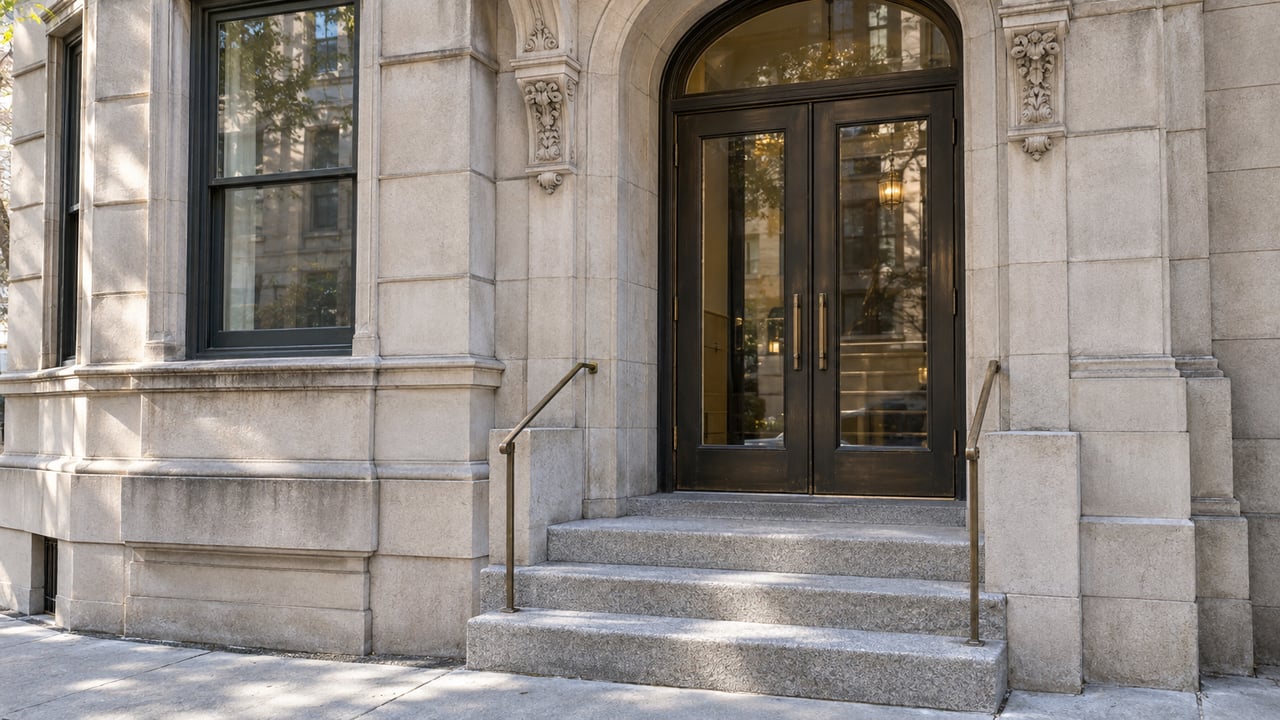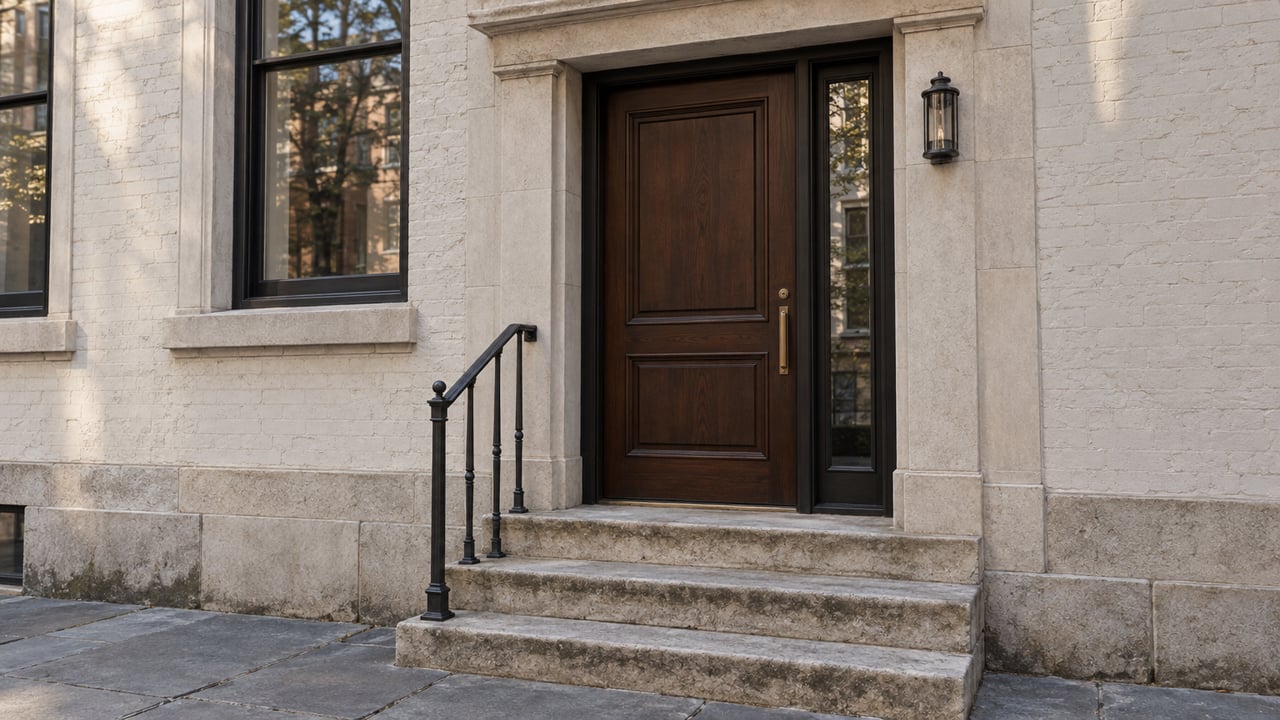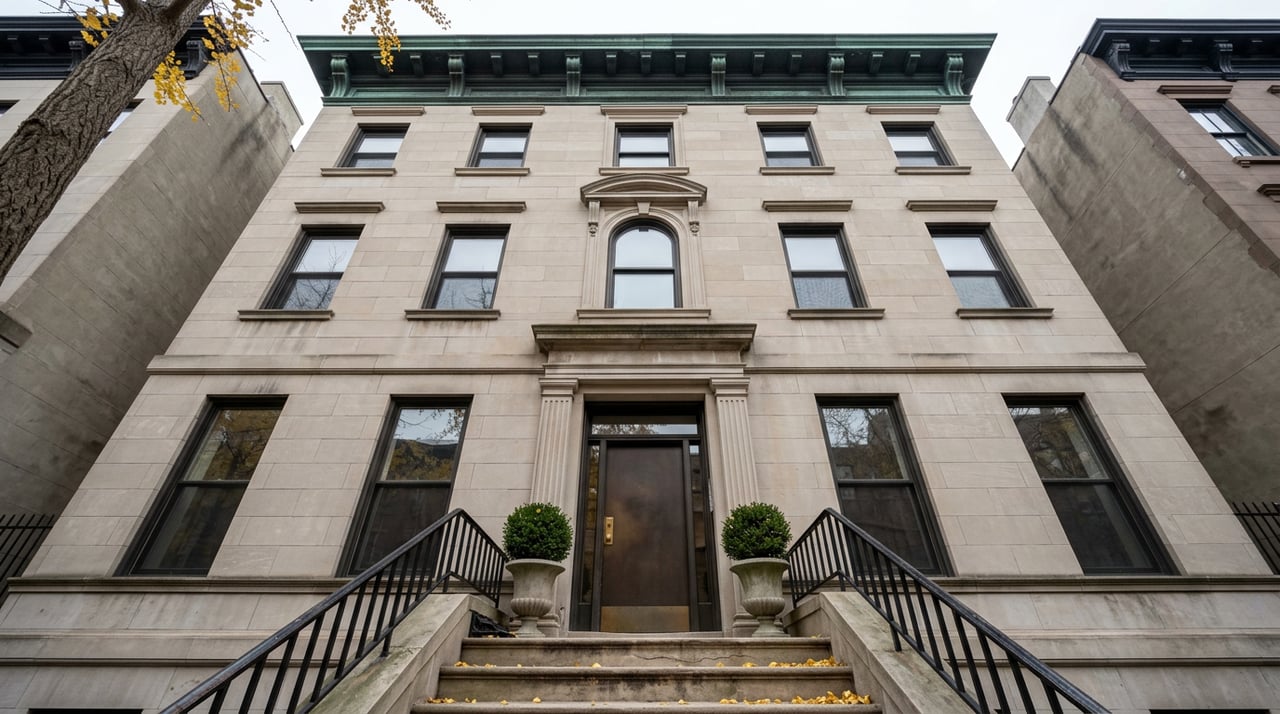
Walk up Fifth Avenue past 70th Street on any ordinary Tuesday and the mansion row does what it always does: sits there, cornices lit gold in the late afternoon, doors closed to everyone who isn't a member, a donor, or a guest with an appointment. You have probably passed the same six or seven buildings a thousand times without ever knowing what's behind the door. That is the deal on the Upper East Side. The architecture faces you. The interiors do not.
For three days this October, that deal changes for some of those buildings and stays exactly the same for others. Open House New York Weekend runs October 16 through 18, 2026, its 24th year, and across the five boroughs more than 300 destinations will take part. The useful thing to know before the festival lineup drops this month isn't a list of addresses. It's that "open" means at least two different things on the Upper East Side, and confusing them is how people end up standing in a line for a building that was never going to let them past the lobby.
Three Days, Not One Kind of Access
Open House New York is organized by a nonprofit of the same name, and the mechanics matter more here than in most neighborhoods because so much of the Upper East Side's most interesting architecture sits behind private ownership rather than public institutions. The festival's own description of itself is a good place to start: hundreds of destinations across the city, tours and talks and special activities layered on top of straightforward walk-through access, run largely by more than a thousand volunteers. The full 2026 program, building by building, is scheduled to be announced this September, so residents planning a weekend around it are working from precedent rather than a confirmed list until that drops.
The precedent is useful. In 2025, the Upper East Side's contribution to OHNY included the Frick Collection, which had reopened to the public that April after a long renovation and was, by that fall, drawing crowds at its normal thirty-dollar admission. During OHNY weekend, that admission disappeared. The same building, the same collection, the price barrier gone for the weekend. That is one version of "open."
A different version showed up on a themed walking route built around Joan Didion, who spent much of her life on the Upper East Side. The tour moved past the Knickerbocker Club, the Carlyle Hotel, Park Avenue Armory, and the Barbizon Hotel, tracing the buildings that mattered to her without necessarily opening their doors. A private membership club does not stop being a private membership club because a festival is happening outside it. The tour's value was context on the sidewalk, not access through the lobby.
Both of these count as "Open House New York." Neither works the same way, and a resident who doesn't separate them ahead of time is the one who shows up expecting a walkthrough and gets a lecture on the front steps instead.
The Doors That Were Already Unlocked
The easiest category to understand is the one where OHNY removes a price rather than a barrier. The Frick belongs here, and so does the Cooper-Hewitt at 2 East 91st Street, the Smithsonian's design museum that occupies what was originally Andrew Carnegie's mansion. Both buildings are open to the public the rest of the year already. What OHNY adds is a single weekend where the transaction disappears and the framing shifts from museum visit to architectural tour, often with docents or building historians speaking specifically to the structure rather than the collection inside it.
If your building or block borders one of these, the practical value is straightforward: go on the free weekend, or don't, since you could technically go any other week for the ticket price. The real reason to bother is the tour framing, not the admission fee.
The Doors That Almost Never Open
The more interesting category, and the one worth planning around, is the building that isn't a museum at all the rest of the year. Two East 79th Street is the clearest Upper East Side example. Built between 1897 and 1899 as the Isaac and Mary Fletcher House and later home to Standard Oil-linked owner Harry Sinclair, the mansion was designed by C.P.H. Gilbert, one of the three architects, alongside Richard Morris Hunt and Stanford White, who built most of what still stands on Millionaire's Row. Today the building houses the Ukrainian Institute of America, which does hold occasional public exhibitions but nothing close to standard museum hours. Residents who've watched exhibition schedules come and go outside those doors know the pattern: open for a show, closed for months, open again without much notice.
A building like that is where a festival weekend actually earns its name. When a site like this appears on the OHNY list, and it has in past years, the access is genuinely rare rather than a temporary discount on something you could get anyway. The same logic applies to the handful of private clubs and residential buildings that occasionally participate: if the door opens at all, it is because of the festival, not despite the ticket price.
Knowing which bucket a building falls into changes how a resident should plan the weekend. A Frick visit can wait for a slower Tuesday later in the fall. A Fletcher-Sinclair Mansion tour, if it's on the 2026 list, cannot.
| Access tier | What it means | Upper East Side examples |
|---|---|---|
| Free admission | Normally paid admission, waived for the weekend | Frick Collection, Cooper-Hewitt |
| Reservation required | Limited capacity interiors, often the rarest access of the weekend | Institutional buildings like the Fletcher-Sinclair Mansion when included |
| Exterior or context-only | Private buildings that stay private; the tour is the history, not the entry | Knickerbocker Club, Park Avenue Armory's private rooms, Carlyle Hotel |
Reservation slots for the most sought-after interiors tend to open in the weeks before the festival and can fill within minutes once released, which is exactly what happened with the Frick's newly reopened galleries in 2025. Anyone who wants a specific building this October should watch for the 2026 program announcement rather than waiting until the weekend itself.
Millionaire's Row Before It Had a Name
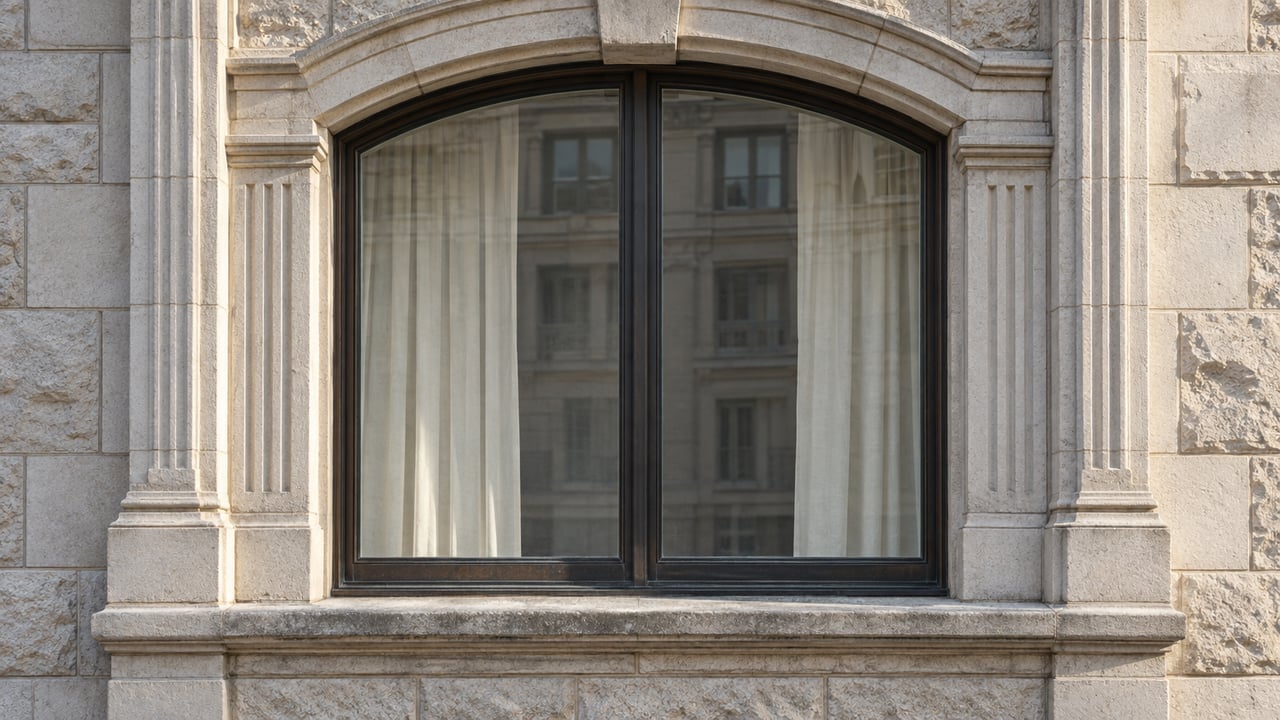
None of this history requires an open door to be worth knowing. The stretch of Fifth Avenue running from the 60s into the 90s earned the nickname Millionaire's Row because of a specific design vocabulary that Hunt, Gilbert, and White all worked in during the same twenty-year window: Beaux-Arts training from Paris translated into French chateaux, Italian palazzi, and neoclassical townhouses stacked one after another along the park. The Richard Morris Hunt Memorial itself, the monument across from the Metropolitan Museum near 70th Street, marks roughly where that architectural conversation started. You don't need a ticket to notice the brackets, the deep cornice lines, the stone detailing that took European training and put it on a New York City sidewalk. That's the same visual language the brokerage's own eye is trained on, prewar facades built by people who thought about proportion the way a Parisian architect would, transplanted onto a Manhattan grid.
Open House New York doesn't create that architecture. It just changes, for one weekend, how much of it you can actually stand inside of.
What This Means for the Walk You Already Take
The value of paying attention to OHNY isn't that it turns the neighborhood into a destination. You already live here. The value is narrower and more useful than that: it tells you, once a year, which of the buildings on your regular route are worth planning around and which ones will look exactly the same in November as they did in September, doors shut, history intact, access unchanged. Watch for the 2026 lineup this month, and treat the reservation window like the narrow thing it is.
If a fall weekend of walking these blocks gets you thinking harder about the buildings themselves, whether it's the co-op you pass on your dog walk or the townhouse you've wondered about for years, Ann Ferguson LLC has spent a long time paying attention to exactly this kind of Upper East Side architecture. A complimentary market evaluation is a good excuse to talk about a specific building, not just a specific weekend.